
Search
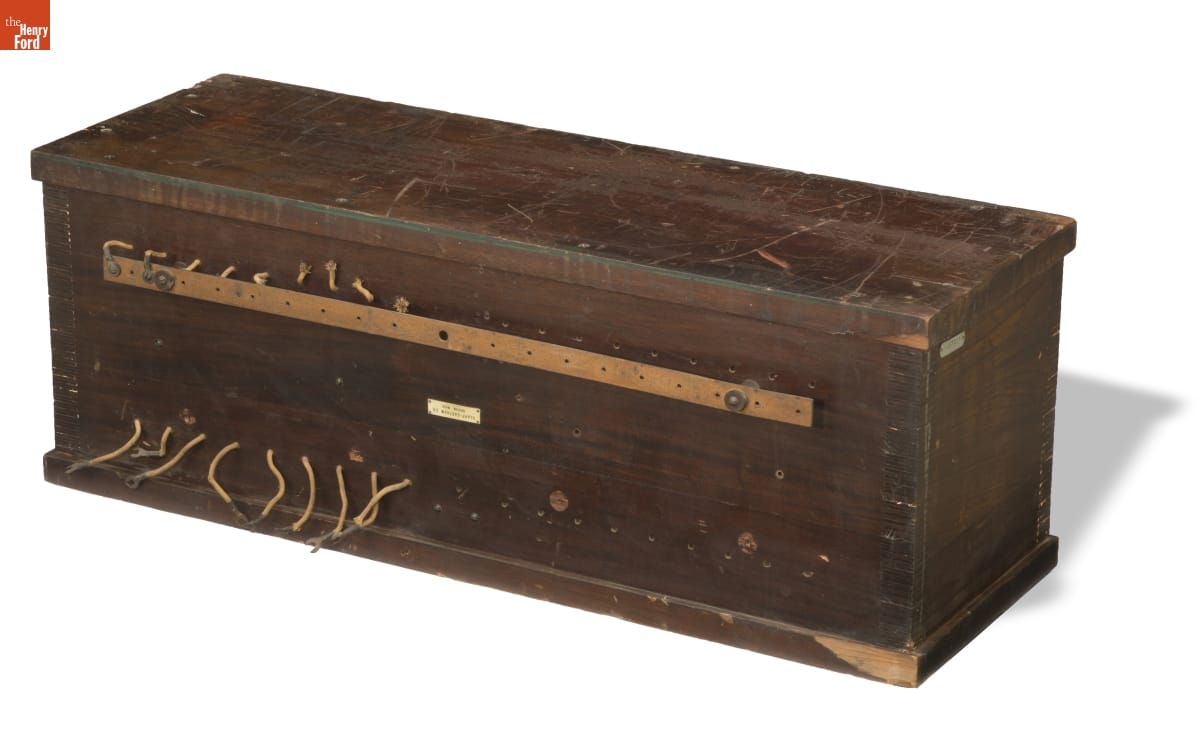
- Fixed Condenser, Used in the Hammond Radio Research Laboratory, circa 1911 - John Hays Hammond, Jr., was largely responsible for launching the field of radio control. In 1926, he built a medieval-inspired castle in Gloucester, Massachusetts. This site served as his home and research laboratory. With over 400 patents to his name, Hammond developed ideas for radio control, autopilot function, and targeted missile detonation. This device was used in Hammond's laboratory.
- circa 1911
- Collections - Artifact
Fixed Condenser, Used in the Hammond Radio Research Laboratory, circa 1911
John Hays Hammond, Jr., was largely responsible for launching the field of radio control. In 1926, he built a medieval-inspired castle in Gloucester, Massachusetts. This site served as his home and research laboratory. With over 400 patents to his name, Hammond developed ideas for radio control, autopilot function, and targeted missile detonation. This device was used in Hammond's laboratory.
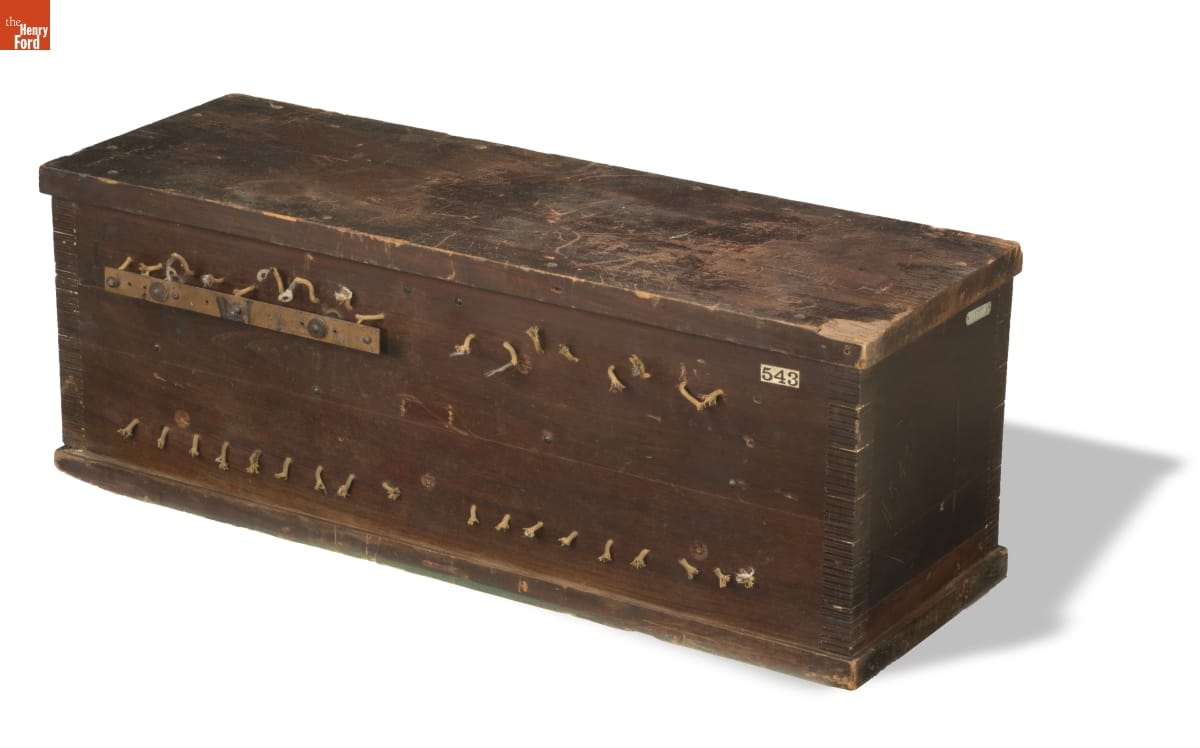
- Fixed Condenser, Used in the Hammond Radio Research Laboratory, circa 1911 - John Hays Hammond, Jr., was largely responsible for launching the field of radio control. In 1926, he built a medieval-inspired castle in Gloucester, Massachusetts. This site served as his home and research laboratory. With over 400 patents to his name, Hammond developed ideas for radio control, autopilot function, and targeted missile detonation. This device was used in Hammond's laboratory.
- circa 1911
- Collections - Artifact
Fixed Condenser, Used in the Hammond Radio Research Laboratory, circa 1911
John Hays Hammond, Jr., was largely responsible for launching the field of radio control. In 1926, he built a medieval-inspired castle in Gloucester, Massachusetts. This site served as his home and research laboratory. With over 400 patents to his name, Hammond developed ideas for radio control, autopilot function, and targeted missile detonation. This device was used in Hammond's laboratory.
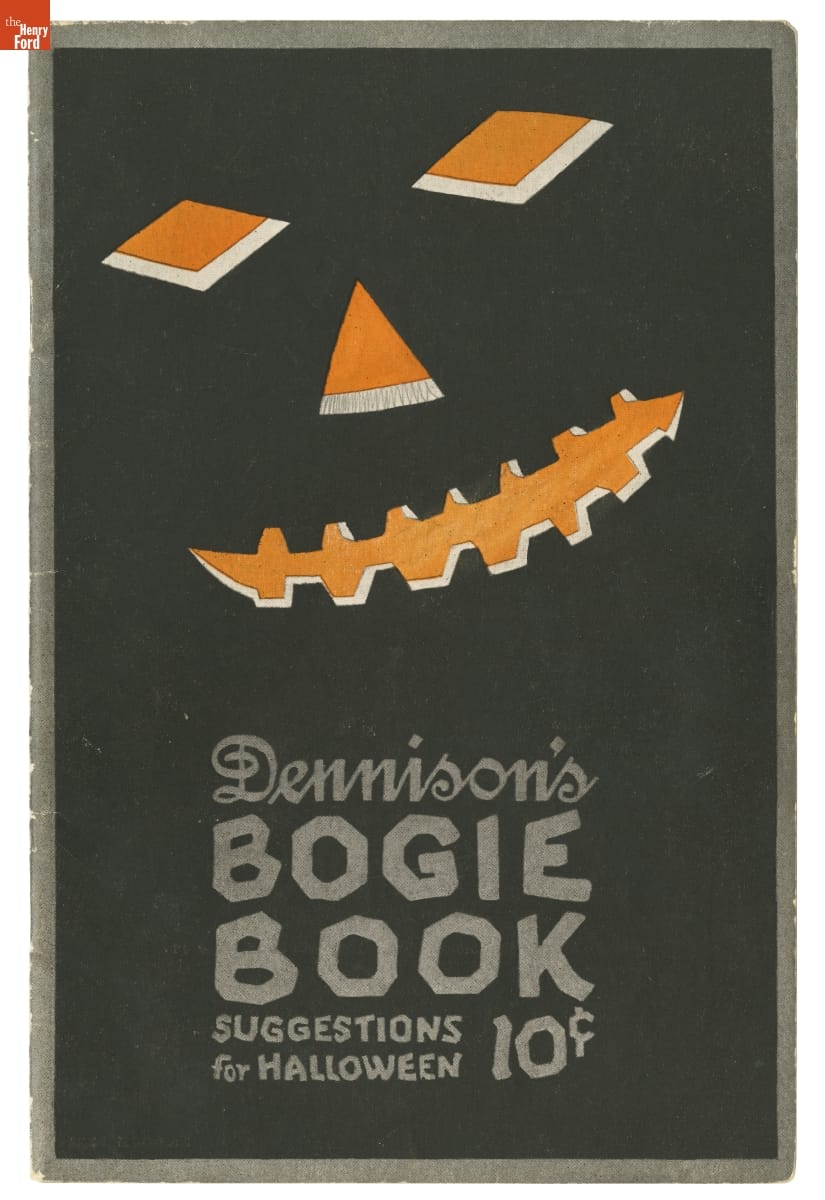
- Dennison's Bogie Book: Suggestions for Halloween, 1922 - While Halloween's origins were rooted in superstition and fortune telling, by the 1910s, Americans of all ages celebrated the holiday as a night of innocent fun. The Dennison Manufacturing Co. of Framingham, Massachusetts, published Halloween "Bogie" books from 1912 to 1935. Halloween revelers could find an array of ideas for party activities, costumes, and decorations using the company's paper products.
- 1922
- Collections - Artifact
Dennison's Bogie Book: Suggestions for Halloween, 1922
While Halloween's origins were rooted in superstition and fortune telling, by the 1910s, Americans of all ages celebrated the holiday as a night of innocent fun. The Dennison Manufacturing Co. of Framingham, Massachusetts, published Halloween "Bogie" books from 1912 to 1935. Halloween revelers could find an array of ideas for party activities, costumes, and decorations using the company's paper products.
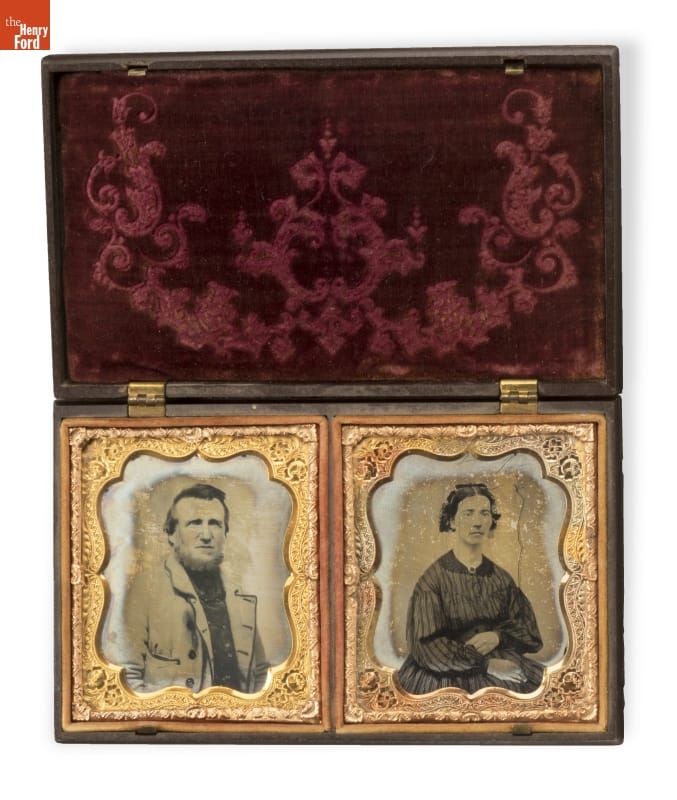
- Portraits of Dr. Alonson B. Howard, circa 1865-1866 and Cynthia Coryell Edmunds Howard, circa 1858-1860 - Alonson Howard, Jr., a doctor practicing medicine in Tekonsha Township, Michigan, married his second wife, Cynthia Coryell Edmunds, in August 1858. Dr. Howard's first wife had passed away a year earlier. Cynthia became a caring stepmother to Alonson's two sons, and the couple would have four children of their own.
- circa 1858-circa 1865
- Collections - Artifact
Portraits of Dr. Alonson B. Howard, circa 1865-1866 and Cynthia Coryell Edmunds Howard, circa 1858-1860
Alonson Howard, Jr., a doctor practicing medicine in Tekonsha Township, Michigan, married his second wife, Cynthia Coryell Edmunds, in August 1858. Dr. Howard's first wife had passed away a year earlier. Cynthia became a caring stepmother to Alonson's two sons, and the couple would have four children of their own.
- Music Sheet Cover, "Arouse Ye, Patriot Whigs!," 1840 -

- 1840
- Collections - Artifact
Music Sheet Cover, "Arouse Ye, Patriot Whigs!," 1840
- Lithograph, "Last Moments of President LIncoln," 1865 - Abraham Lincoln's assassination in April 1865 plunged Americans into deep mourning. Before the existence of newspaper photos and television, lithographs helped people to understand the tragic event. This print depicts a room of the Petersen House, where the president died, across the street from Ford's Theatre in Washington, D.C. Not all of these people were actually in the room the morning Lincoln died.
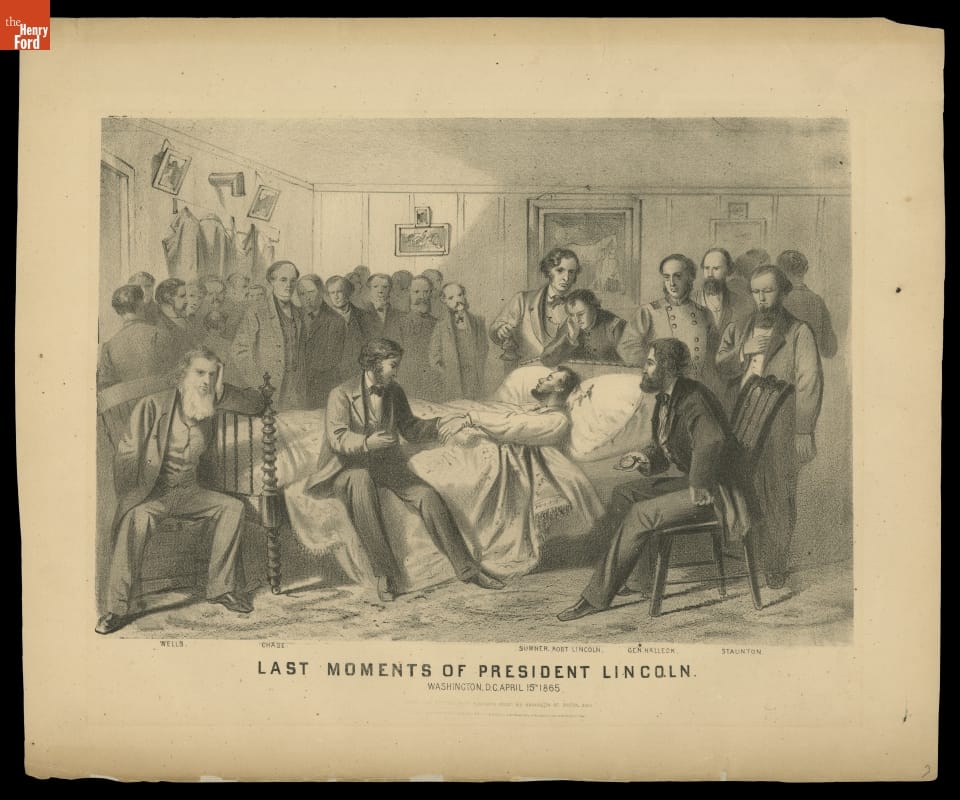
- April 15, 1865
- Collections - Artifact
Lithograph, "Last Moments of President LIncoln," 1865
Abraham Lincoln's assassination in April 1865 plunged Americans into deep mourning. Before the existence of newspaper photos and television, lithographs helped people to understand the tragic event. This print depicts a room of the Petersen House, where the president died, across the street from Ford's Theatre in Washington, D.C. Not all of these people were actually in the room the morning Lincoln died.
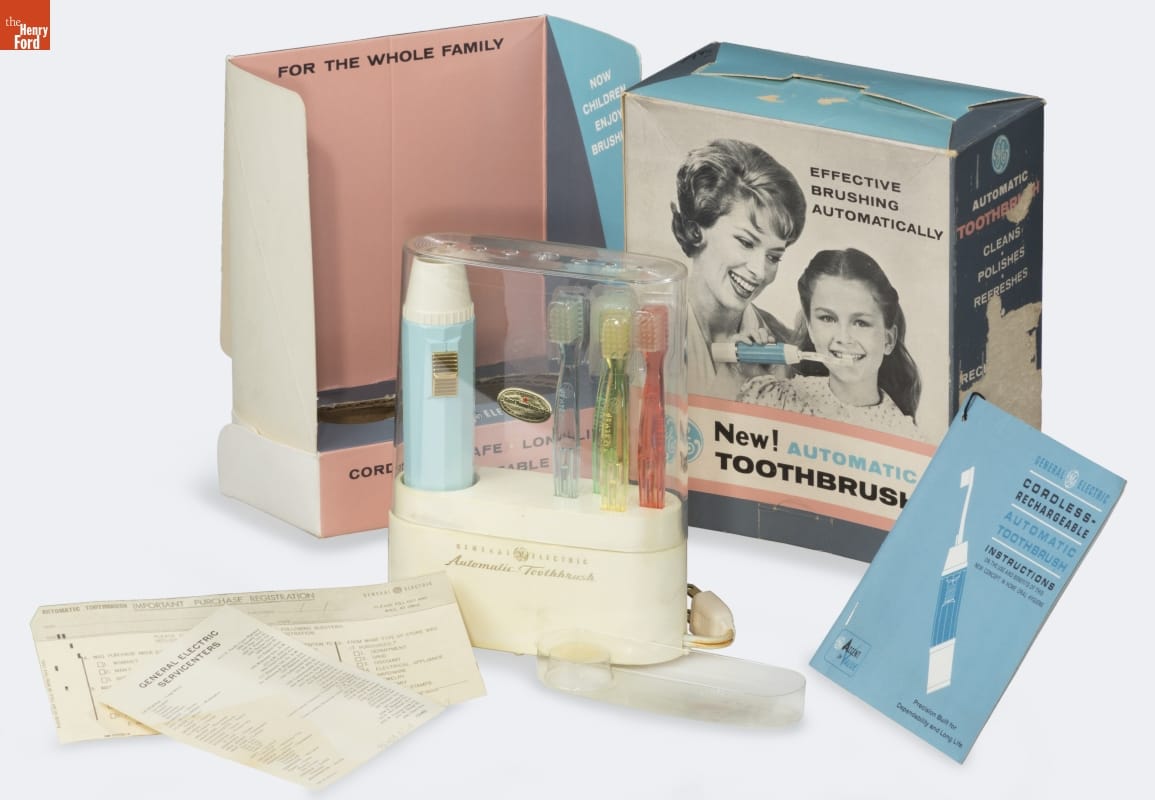
- General Electric Model 5101 Cordless Electric Toothbrush, circa 1963 -
- circa 1963
- Collections - Artifact
General Electric Model 5101 Cordless Electric Toothbrush, circa 1963
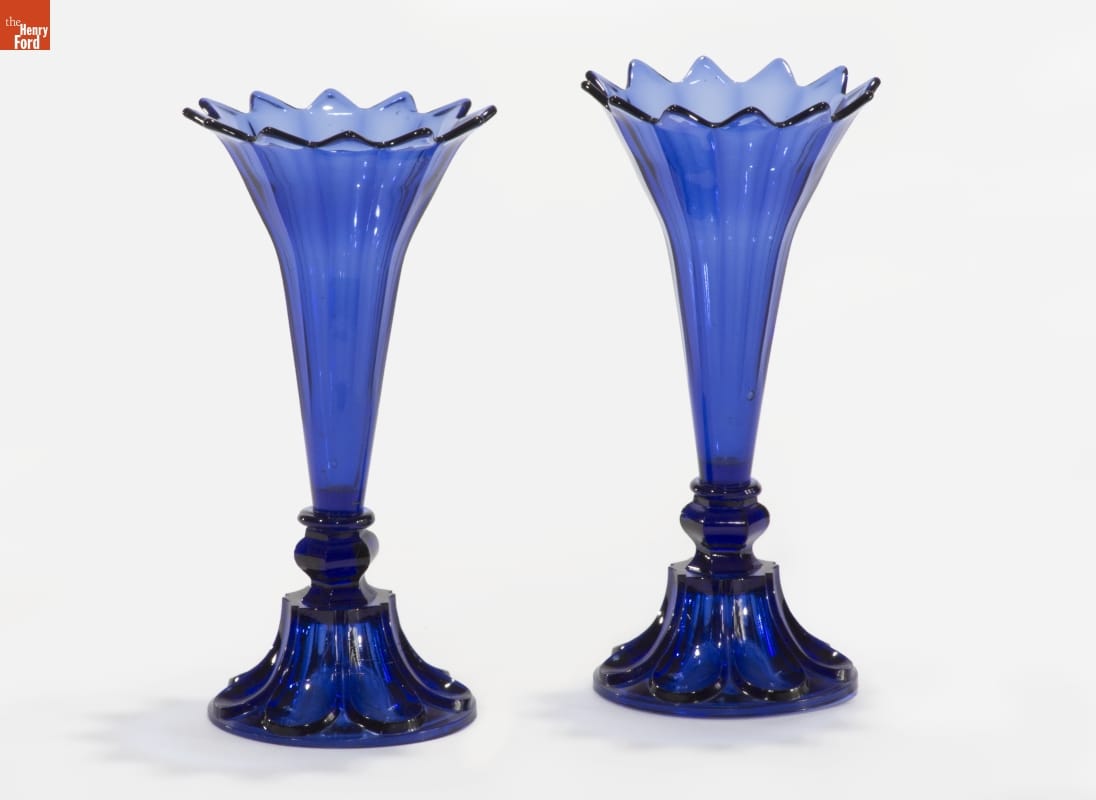
- Vases, 1840-1855 - Nineteenth-century American glassmakers experimented with new methods to create products for a growing consumer market. In the 1820s, pressing glass into metal molds by machine was perfected, and by the mid-1800s, manufacturers were creating a variety of inexpensive pressed glass housewares. America's middle-class consumers could now decorate their homes with attractive glass bowls, creamers, dishes, plates, vases, and other tableware.
- 1840-1855
- Collections - Artifact
Vases, 1840-1855
Nineteenth-century American glassmakers experimented with new methods to create products for a growing consumer market. In the 1820s, pressing glass into metal molds by machine was perfected, and by the mid-1800s, manufacturers were creating a variety of inexpensive pressed glass housewares. America's middle-class consumers could now decorate their homes with attractive glass bowls, creamers, dishes, plates, vases, and other tableware.
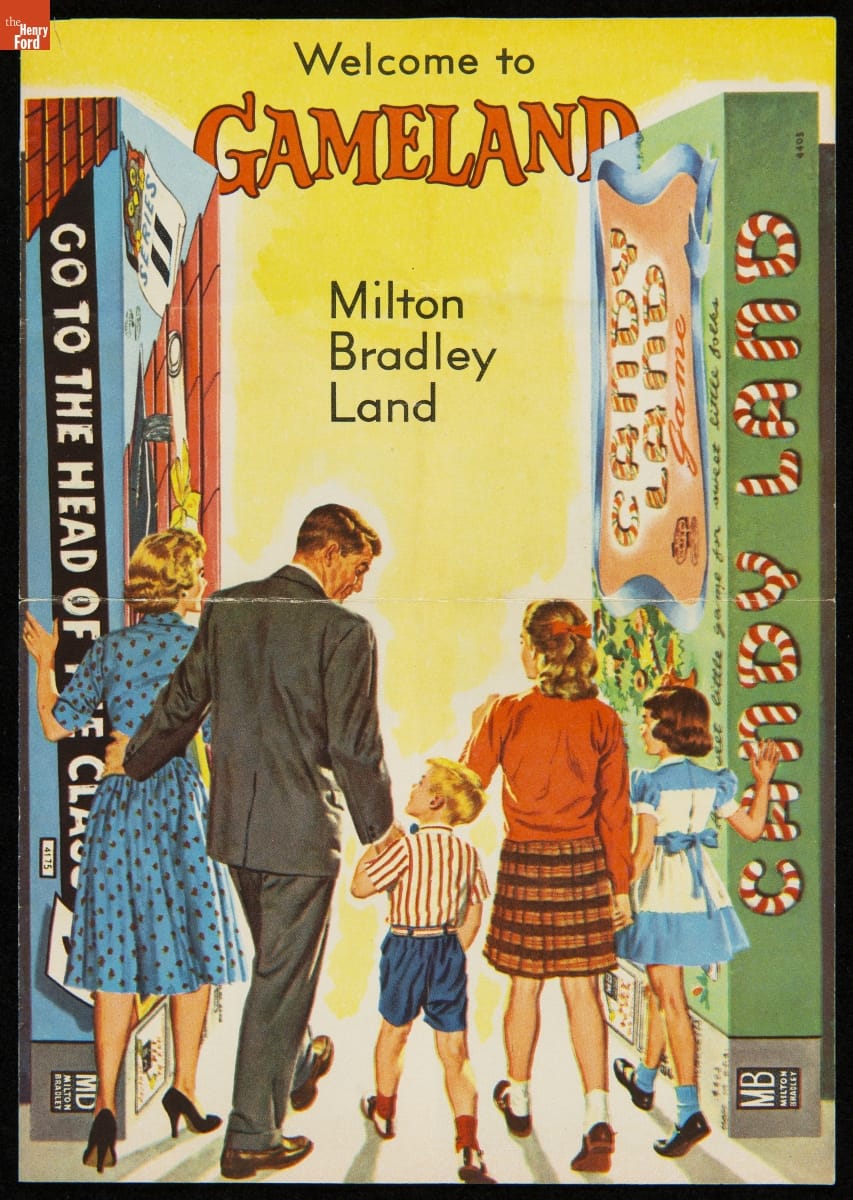
- Milton Bradley Company Catalog, "Welcome to Gameland," 1964 - Milton Bradley, a Springfield, Massachusetts, lithographer, published his first board game in 1860. It was a hit, and Bradley soon became a leader in the growing American game business. By his death in 1911, Bradley's company was one of the nation's best known and most prolific game and toy manufacturers. Milton Bradley products remained popular even after the company's 1984 acquisition by Hasbro, Inc.
- 1964
- Collections - Artifact
Milton Bradley Company Catalog, "Welcome to Gameland," 1964
Milton Bradley, a Springfield, Massachusetts, lithographer, published his first board game in 1860. It was a hit, and Bradley soon became a leader in the growing American game business. By his death in 1911, Bradley's company was one of the nation's best known and most prolific game and toy manufacturers. Milton Bradley products remained popular even after the company's 1984 acquisition by Hasbro, Inc.
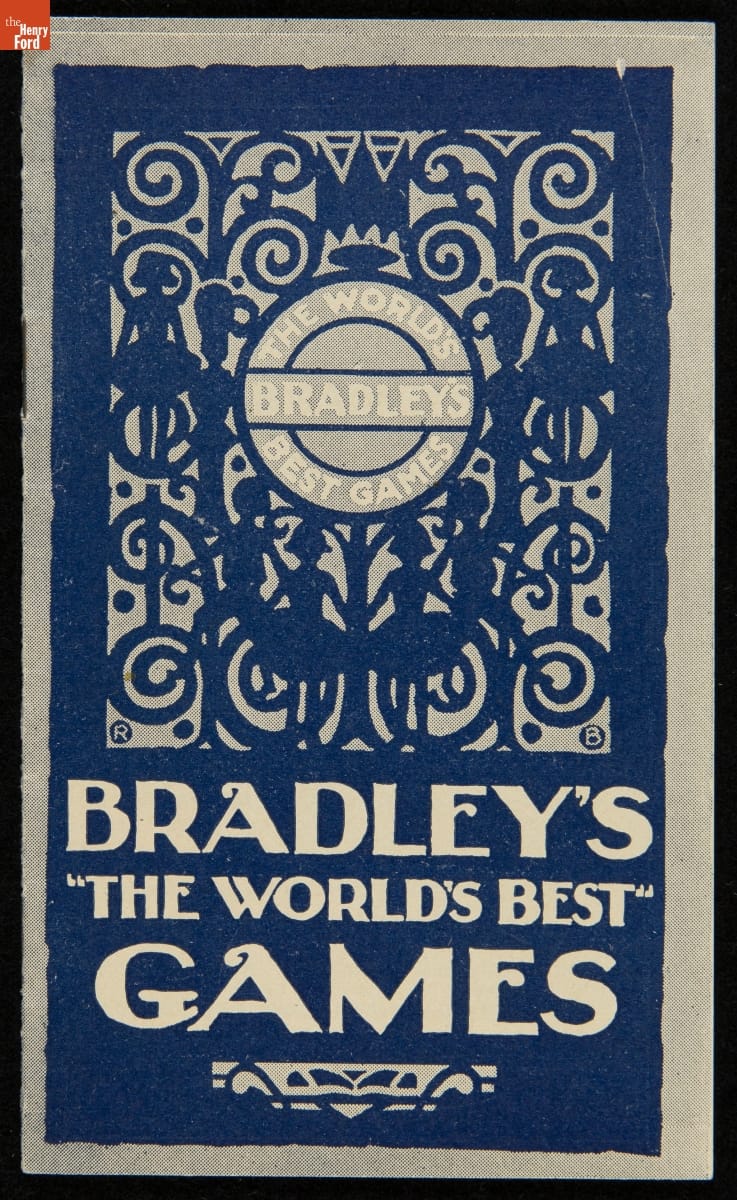
- Milton Bradley Company Trade Catalog, "Bradley's The World's Best Games," 1919-1920 - Milton Bradley, a Springfield, Massachusetts, lithographer, published his first board game in 1860. It was a hit, and Bradley soon became a leader in the growing American game business. By his death in 1911, Bradley's company was one of the nation's best known and most prolific game and toy manufacturers. Milton Bradley products remained popular even after the company's 1984 acquisition by Hasbro, Inc.
- 1919-1920
- Collections - Artifact
Milton Bradley Company Trade Catalog, "Bradley's The World's Best Games," 1919-1920
Milton Bradley, a Springfield, Massachusetts, lithographer, published his first board game in 1860. It was a hit, and Bradley soon became a leader in the growing American game business. By his death in 1911, Bradley's company was one of the nation's best known and most prolific game and toy manufacturers. Milton Bradley products remained popular even after the company's 1984 acquisition by Hasbro, Inc.