
Search
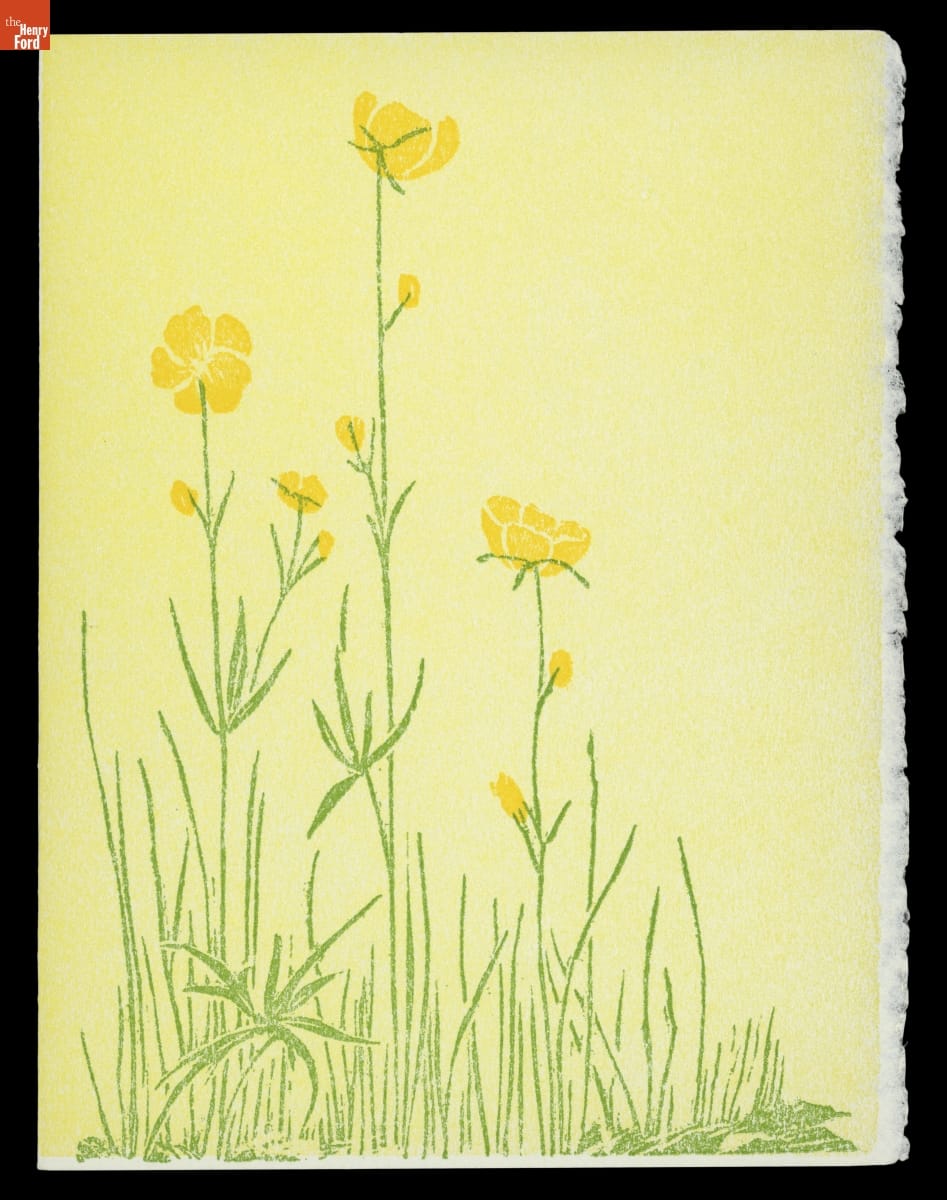
- "Hi! - and a Happy Birthday to You!," circa 1980 - Gwen Frostic (1906-2001) was an artist, author, poet, entrepreneur, and nature lover. In the 1940s, Frostic bought a printing press and started a printing business doing commercial jobs, but most notably, she carefully carved linoleum blocks to create nature-inspired works of art. Frostic created block prints for the next fifty years that graced her books, note cards, and greeting cards.
- circa 1980
- Collections - Artifact
"Hi! - and a Happy Birthday to You!," circa 1980
Gwen Frostic (1906-2001) was an artist, author, poet, entrepreneur, and nature lover. In the 1940s, Frostic bought a printing press and started a printing business doing commercial jobs, but most notably, she carefully carved linoleum blocks to create nature-inspired works of art. Frostic created block prints for the next fifty years that graced her books, note cards, and greeting cards.
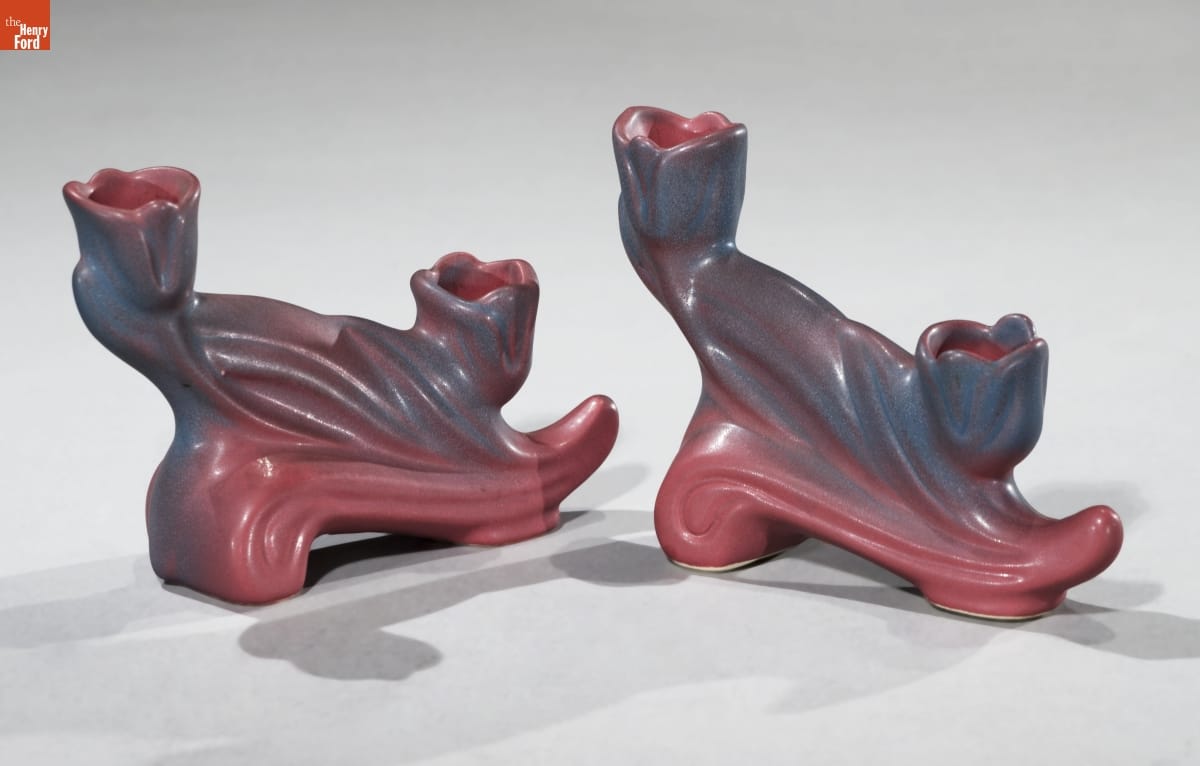
- Candleholder, 1940-1950 - The Van Briggle Pottery was among the most important and longest-lasting art potteries. The pottery, established in 1901 and located in Colorado Springs, Colorado, is known for its satin matte glazes perfected by its founder, Artus Van Briggle. The pottery produced works for more than one hundred years, finally closing its doors in the early 2010s.
- 1940-1950
- Collections - Artifact
Candleholder, 1940-1950
The Van Briggle Pottery was among the most important and longest-lasting art potteries. The pottery, established in 1901 and located in Colorado Springs, Colorado, is known for its satin matte glazes perfected by its founder, Artus Van Briggle. The pottery produced works for more than one hundred years, finally closing its doors in the early 2010s.
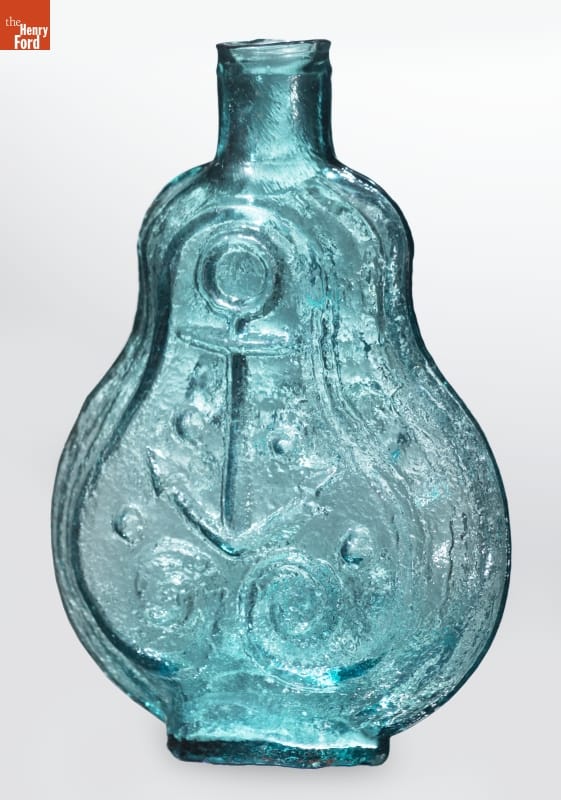
- Flask, 1830-1834 - Glass factories in America began producing inexpensive, mold-formed flasks in the early 1800s. These figured flasks appealed to America's common man. Many of these flasks contained symbols of national pride or political or cultural affiliation. Embellishments on other flasks, like this one, were purely decorative, though you will find an anchor -- a symbol of hope -- on the reverse.
- 1830-1834
- Collections - Artifact
Flask, 1830-1834
Glass factories in America began producing inexpensive, mold-formed flasks in the early 1800s. These figured flasks appealed to America's common man. Many of these flasks contained symbols of national pride or political or cultural affiliation. Embellishments on other flasks, like this one, were purely decorative, though you will find an anchor -- a symbol of hope -- on the reverse.
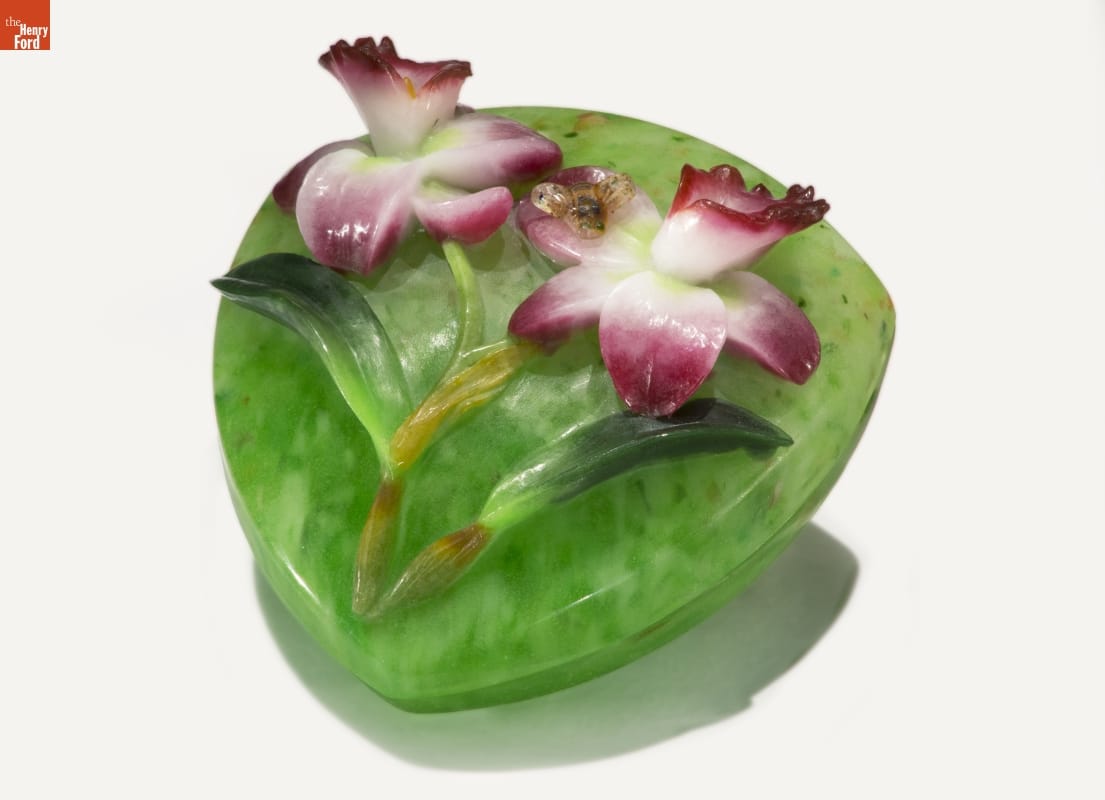
- Orchard Box by Kimiake Higuchi, 2007 - New centers of glassmaking emerged as studio glass spread in the 1980s, creating a truly international movement. In Japan, studio glass artist Kimiake Higuchi referenced the Art Nouveau style of the 1890s for inspiration. She revived a popular glassmaking technique known as "pate-de-verre" to achieve opaque finishes and used color schemes and botanical motifs that further echo the Art Nouveau.
- 2007
- Collections - Artifact
Orchard Box by Kimiake Higuchi, 2007
New centers of glassmaking emerged as studio glass spread in the 1980s, creating a truly international movement. In Japan, studio glass artist Kimiake Higuchi referenced the Art Nouveau style of the 1890s for inspiration. She revived a popular glassmaking technique known as "pate-de-verre" to achieve opaque finishes and used color schemes and botanical motifs that further echo the Art Nouveau.
- Child's Handkerchief, 1945-1955 - Before disposable tissues became popular, people carried cloth handkerchiefs to help with sneezes and sniffles. Children's versions were made with images and in colors designed to appeal to these smaller folk.
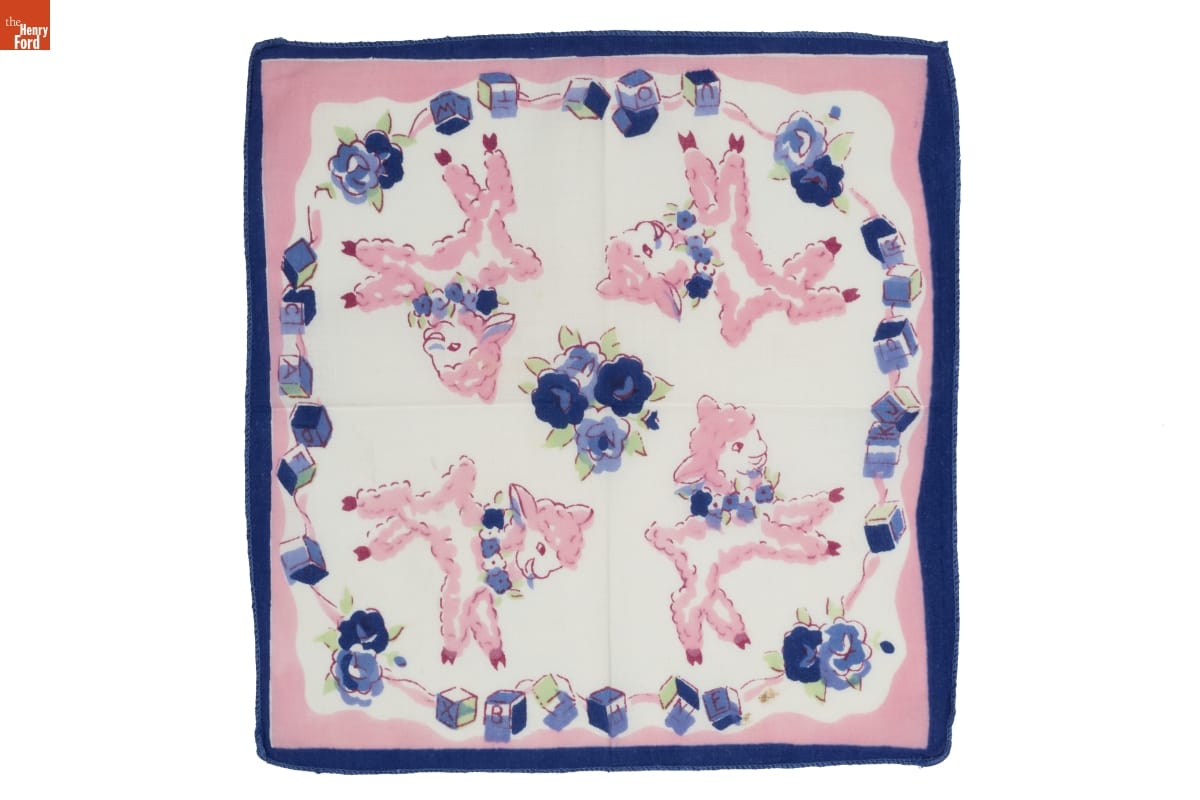
- 1945-1955
- Collections - Artifact
Child's Handkerchief, 1945-1955
Before disposable tissues became popular, people carried cloth handkerchiefs to help with sneezes and sniffles. Children's versions were made with images and in colors designed to appeal to these smaller folk.
- Child's Handkerchief, 1945-1955 - Before disposable tissues became popular, people carried cloth handkerchiefs to help with sneezes and sniffles. Children's versions were made with images and in colors designed to appeal to these smaller folk.
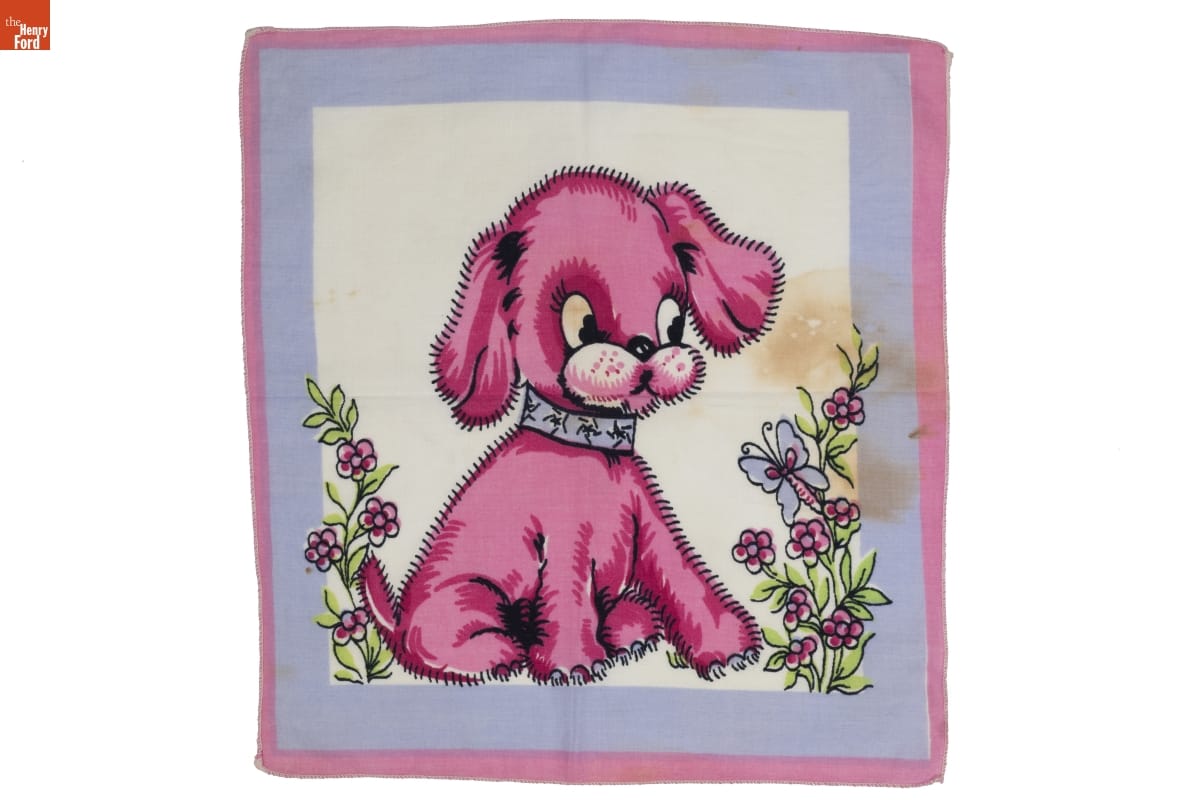
- 1945-1955
- Collections - Artifact
Child's Handkerchief, 1945-1955
Before disposable tissues became popular, people carried cloth handkerchiefs to help with sneezes and sniffles. Children's versions were made with images and in colors designed to appeal to these smaller folk.
- Bandbox, Made by Hannah Davis, 1832 - Hannah Davis (1784-1863), a Jaffrey, New Hampshire, entrepreneur, created colorful, wallpaper-covered bandboxes. Davis sold many of her bandboxes to the young, migrant women who worked in the textile mills in the surrounding New England villages. Davis's attractive and affordable bandboxes were ideal for the millworkers. The boxes could hold clothing and accessories and they served as useful storage cases when the women traveled home.
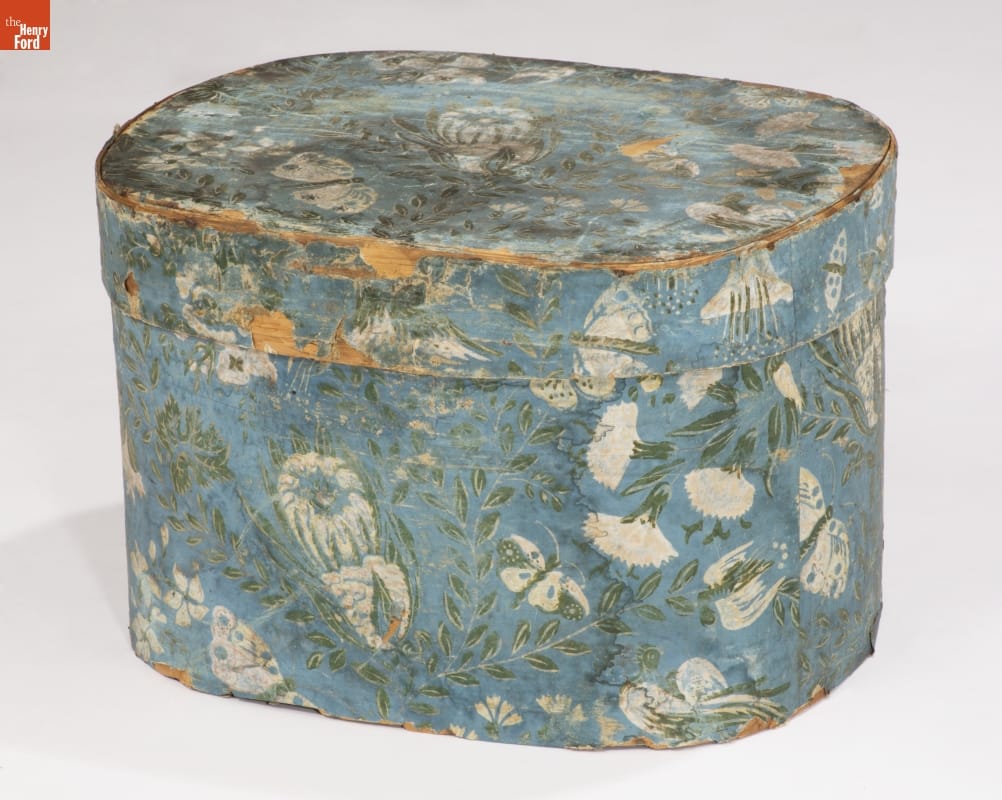
- 1832
- Collections - Artifact
Bandbox, Made by Hannah Davis, 1832
Hannah Davis (1784-1863), a Jaffrey, New Hampshire, entrepreneur, created colorful, wallpaper-covered bandboxes. Davis sold many of her bandboxes to the young, migrant women who worked in the textile mills in the surrounding New England villages. Davis's attractive and affordable bandboxes were ideal for the millworkers. The boxes could hold clothing and accessories and they served as useful storage cases when the women traveled home.
- Dodson Seed Store "Verbena" Seed Packet, 1966-1983 -
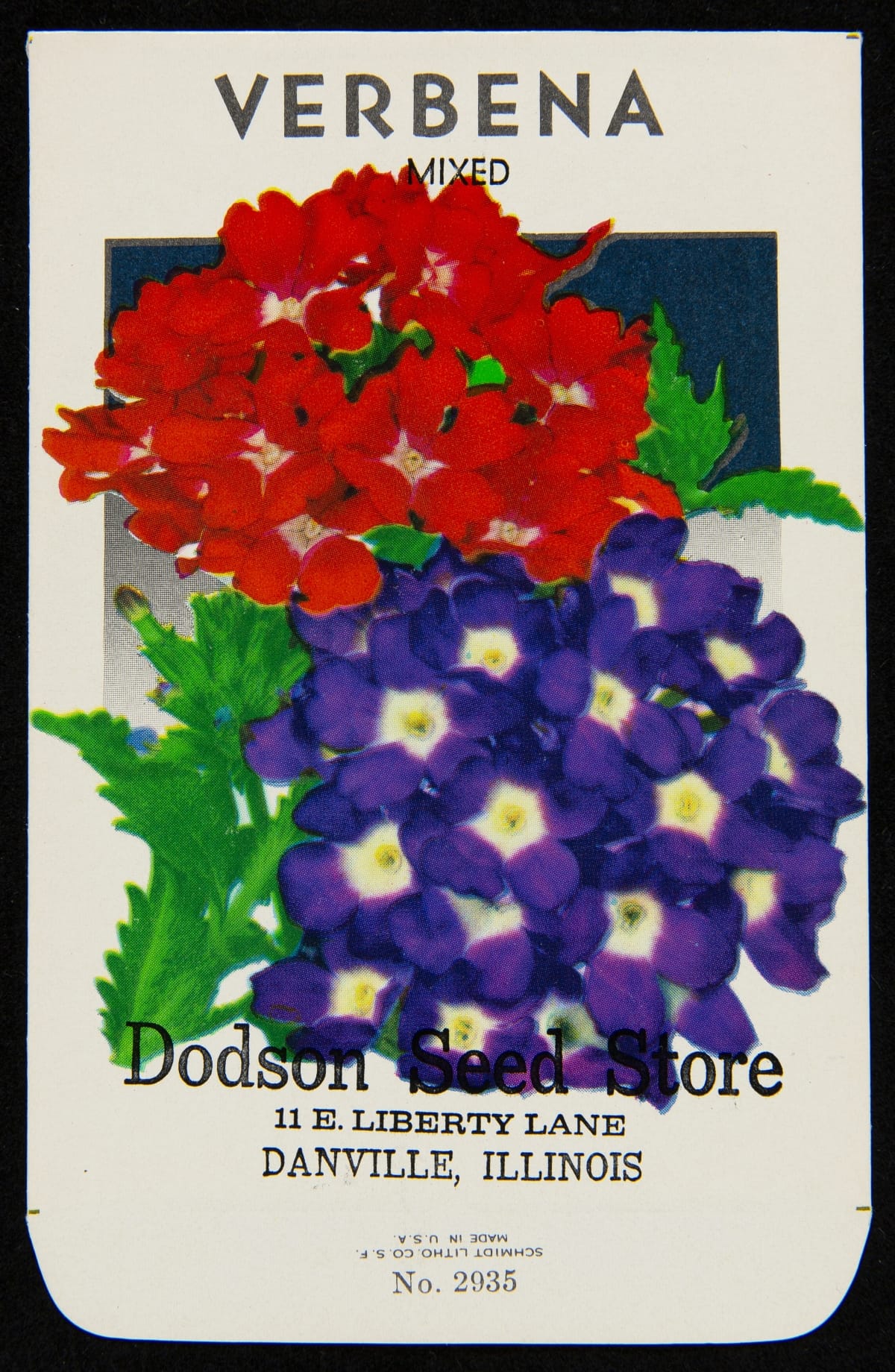
- 1966-1983
- Collections - Artifact
Dodson Seed Store "Verbena" Seed Packet, 1966-1983
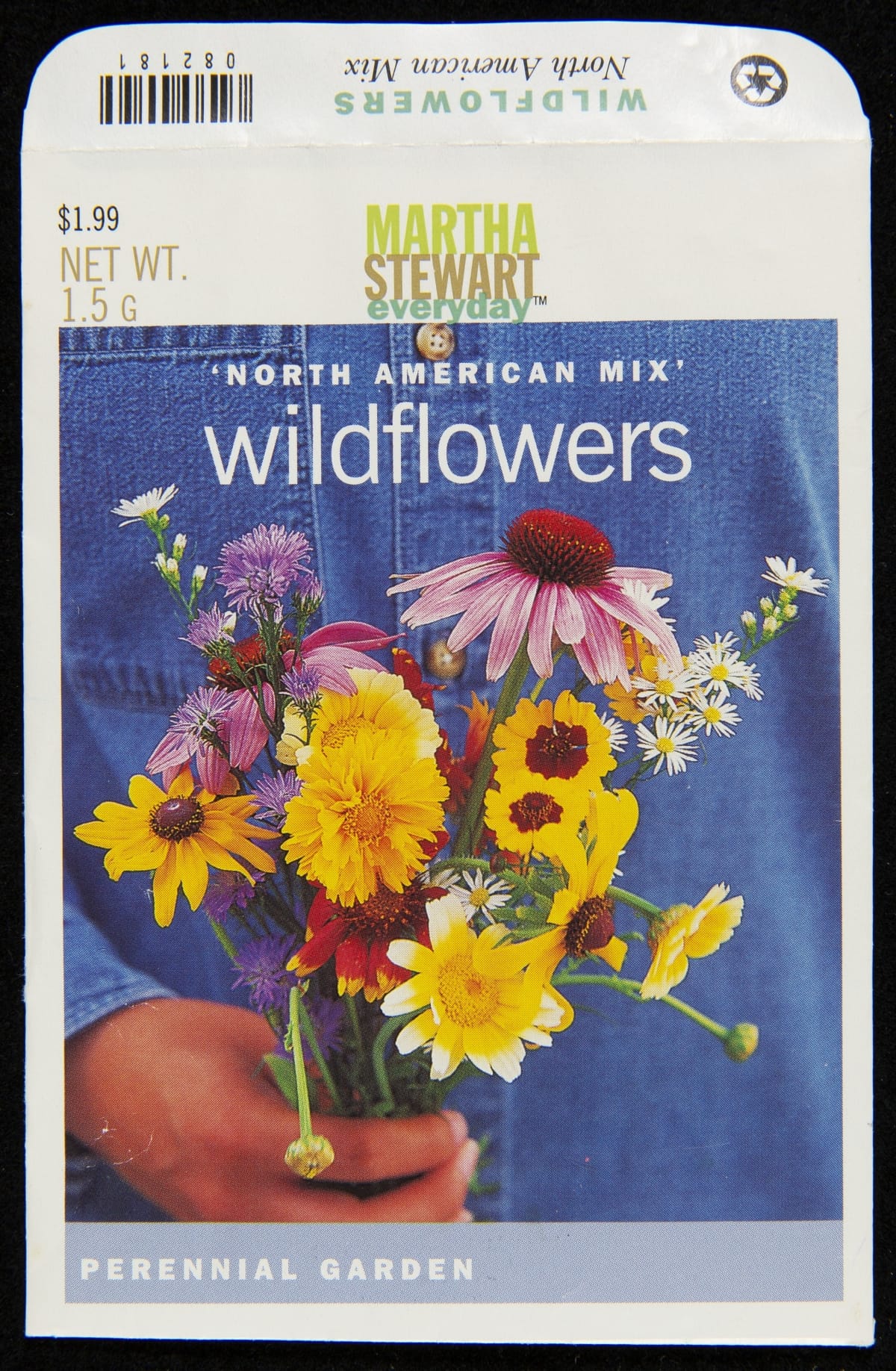
- Martha Stewart "'North American Mix' Wildflowers" Seed Packet, circa 2003 -
- circa 2003
- Collections - Artifact
Martha Stewart "'North American Mix' Wildflowers" Seed Packet, circa 2003
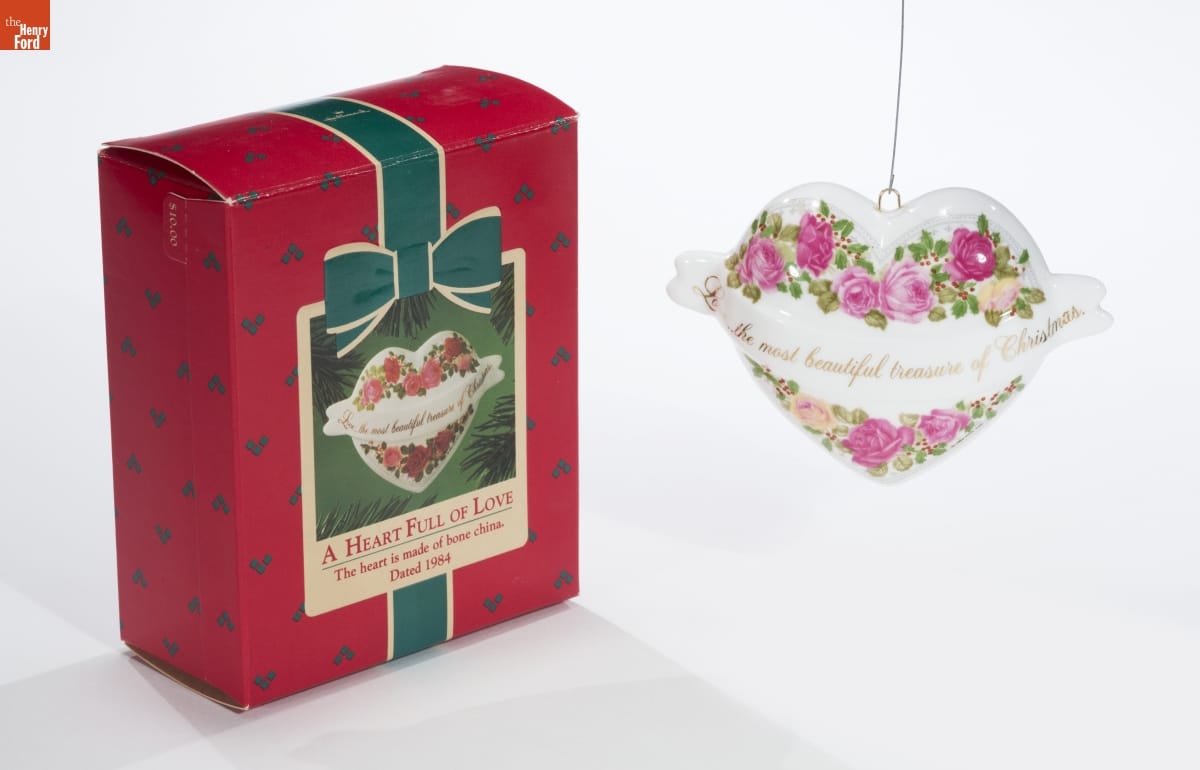
- Hallmark "Heartful of Love" Christmas Ornament, 1984 - Already known for greeting cards, Hallmark introduced a line of Christmas ornaments in 1973. The company's annual release of an increasing array of ornaments revolutionized Christmas decorating, appealing to customers' interest in marking memories and milestones as well as expressing one's personality and unique tastes.
- 1984
- Collections - Artifact
Hallmark "Heartful of Love" Christmas Ornament, 1984
Already known for greeting cards, Hallmark introduced a line of Christmas ornaments in 1973. The company's annual release of an increasing array of ornaments revolutionized Christmas decorating, appealing to customers' interest in marking memories and milestones as well as expressing one's personality and unique tastes.