
Search
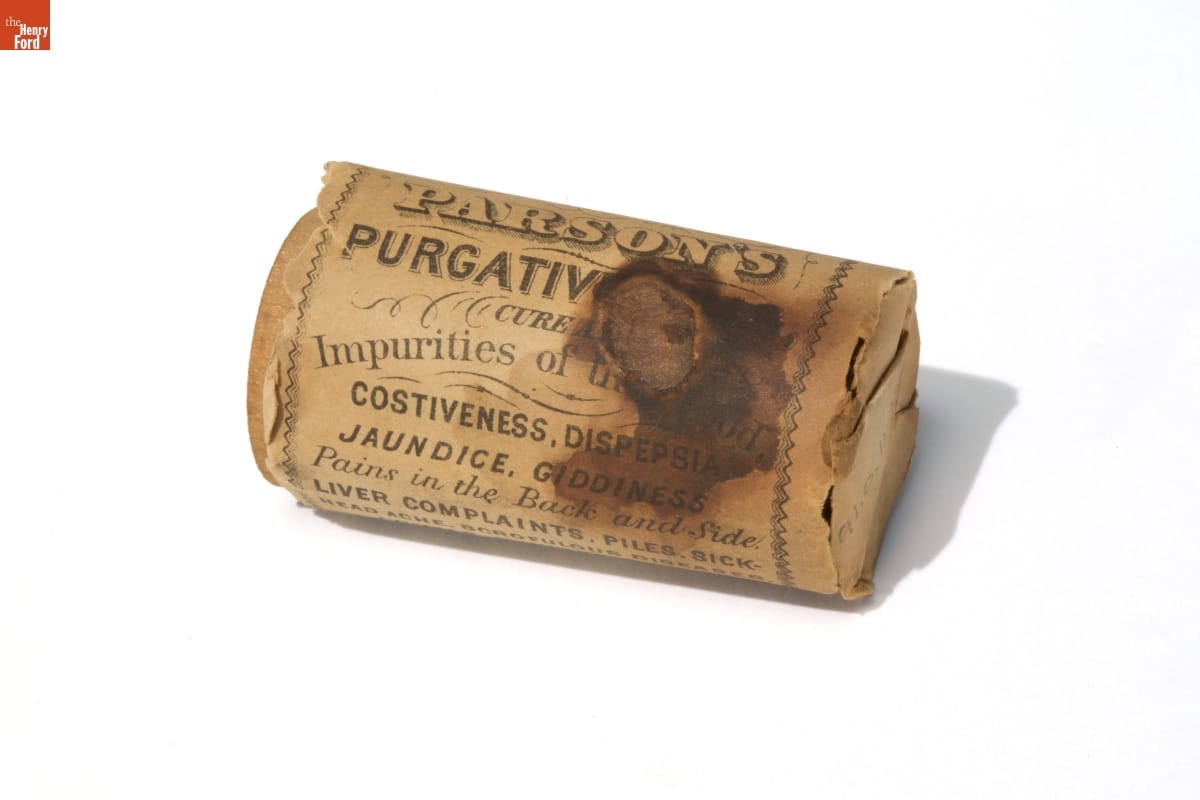
- Parson's Purgative Pills, 1870-1890 - Nineteenth-century entrepreneurs promised cures with patent medicines. Some of these concoctions, however, contained harmful ingredients or ingredients used in unsafe quantities -- the industry was unregulated and manufacturers were secretive about their recipes. Beginning with the Pure Food and Drug Act of 1906, national legislation increasingly prohibited misleading health claims and required manufacturers to list their product's contents.
- 1870-1890
- Collections - Artifact
Parson's Purgative Pills, 1870-1890
Nineteenth-century entrepreneurs promised cures with patent medicines. Some of these concoctions, however, contained harmful ingredients or ingredients used in unsafe quantities -- the industry was unregulated and manufacturers were secretive about their recipes. Beginning with the Pure Food and Drug Act of 1906, national legislation increasingly prohibited misleading health claims and required manufacturers to list their product's contents.
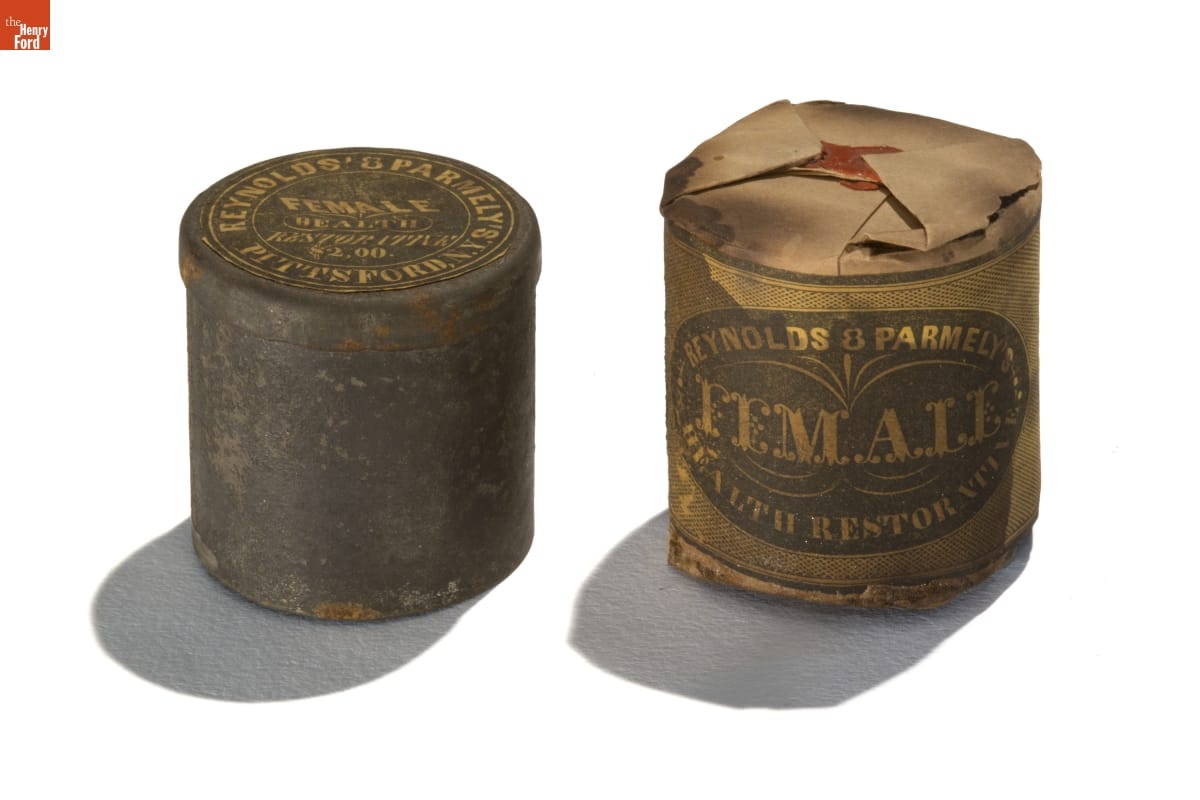
- Reynold's & Parmely's Female Health Restorative, 1839-1870 - Nineteenth-century entrepreneurs promised cures with patent medicines. Some of these concoctions, however, contained harmful ingredients or ingredients used in unsafe quantities -- the industry was unregulated and manufacturers were secretive about their recipes. Beginning with the Pure Food and Drug Act of 1906, national legislation increasingly prohibited misleading health claims and required manufacturers to list their product's contents.
- 1839-1870
- Collections - Artifact
Reynold's & Parmely's Female Health Restorative, 1839-1870
Nineteenth-century entrepreneurs promised cures with patent medicines. Some of these concoctions, however, contained harmful ingredients or ingredients used in unsafe quantities -- the industry was unregulated and manufacturers were secretive about their recipes. Beginning with the Pure Food and Drug Act of 1906, national legislation increasingly prohibited misleading health claims and required manufacturers to list their product's contents.
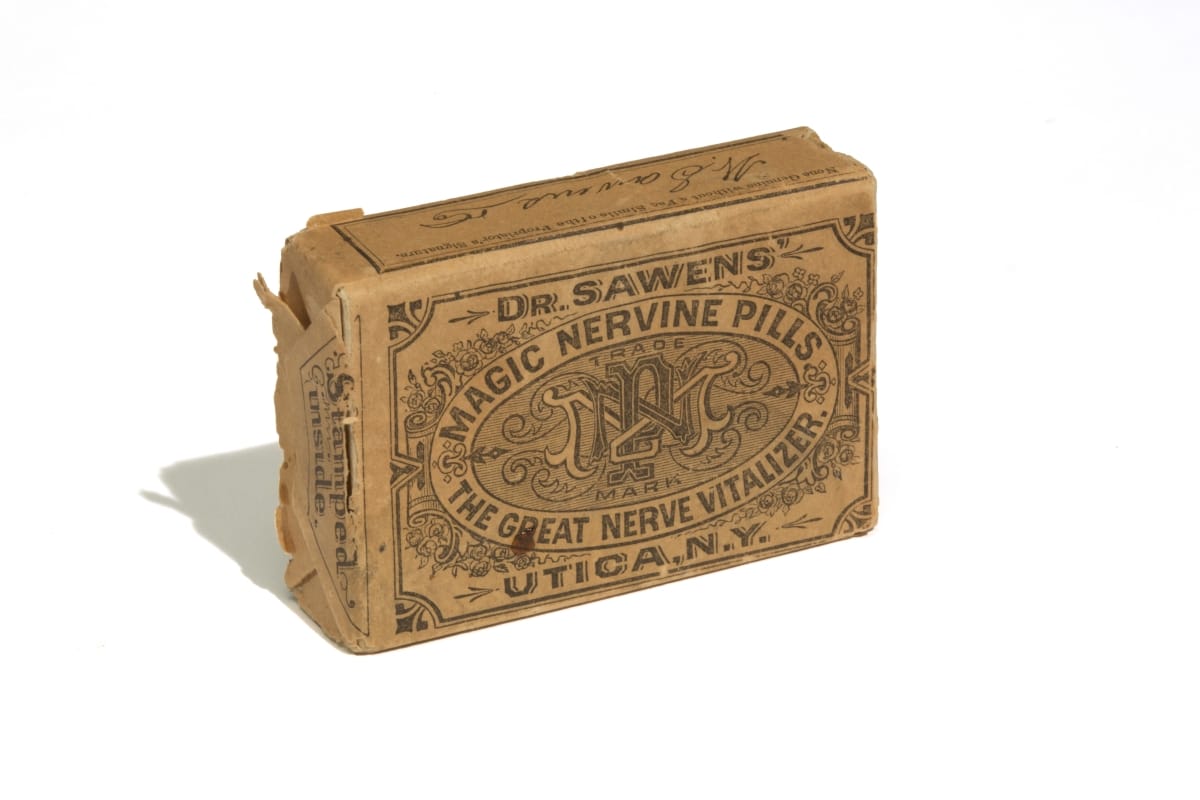
- Dr. Sawens Magic Nervine Pills, 1868-1883 - Nineteenth-century entrepreneurs promised cures with patent medicines. Some of these concoctions, however, contained harmful ingredients or ingredients used in unsafe quantities -- the industry was unregulated and manufacturers were secretive about their recipes. Beginning with the Pure Food and Drug Act of 1906, national legislation increasingly prohibited misleading health claims and required manufacturers to list their product's contents.
- 1868-1883
- Collections - Artifact
Dr. Sawens Magic Nervine Pills, 1868-1883
Nineteenth-century entrepreneurs promised cures with patent medicines. Some of these concoctions, however, contained harmful ingredients or ingredients used in unsafe quantities -- the industry was unregulated and manufacturers were secretive about their recipes. Beginning with the Pure Food and Drug Act of 1906, national legislation increasingly prohibited misleading health claims and required manufacturers to list their product's contents.
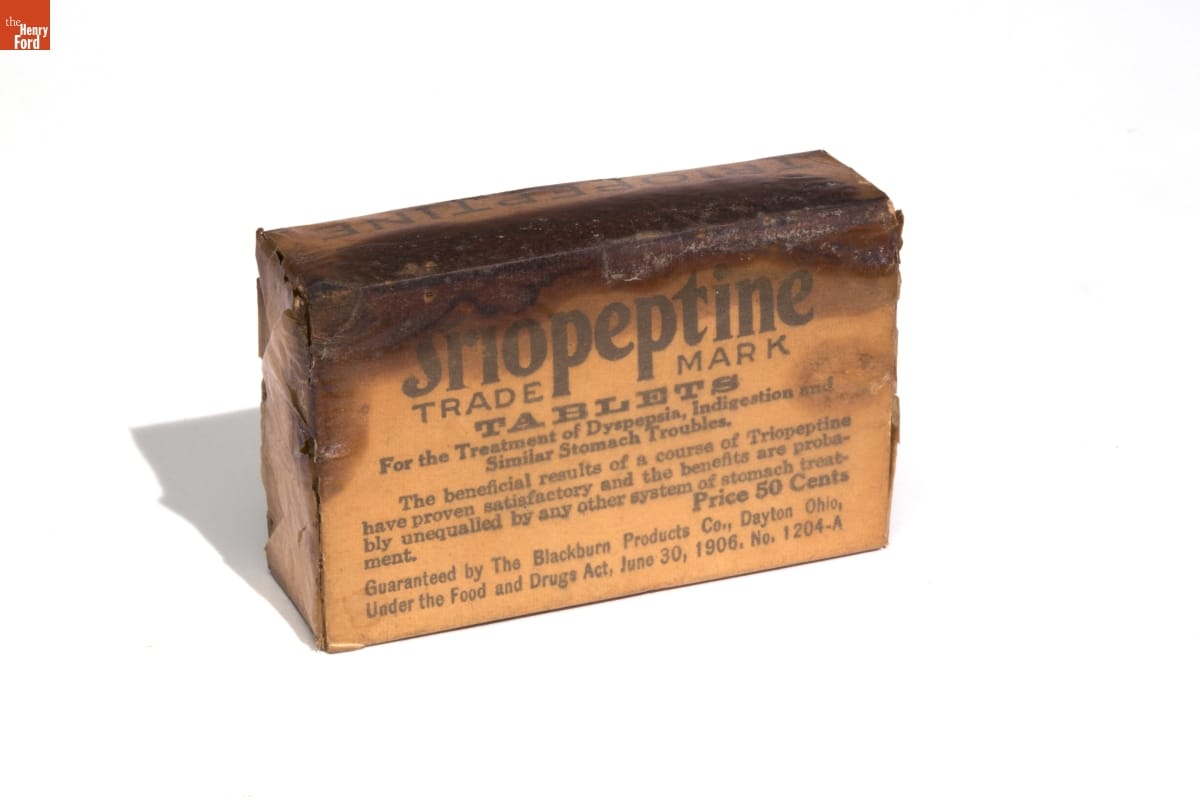
- Triopeptine Tablets, 1906-1918 - Nineteenth-century entrepreneurs promised cures with patent medicines. Some of these concoctions, however, contained harmful ingredients or ingredients used in unsafe quantities -- the industry was unregulated and manufacturers were secretive about their recipes. Beginning with the Pure Food and Drug Act of 1906, national legislation increasingly prohibited misleading health claims and required manufacturers to list their product's contents.
- 1906-1918
- Collections - Artifact
Triopeptine Tablets, 1906-1918
Nineteenth-century entrepreneurs promised cures with patent medicines. Some of these concoctions, however, contained harmful ingredients or ingredients used in unsafe quantities -- the industry was unregulated and manufacturers were secretive about their recipes. Beginning with the Pure Food and Drug Act of 1906, national legislation increasingly prohibited misleading health claims and required manufacturers to list their product's contents.
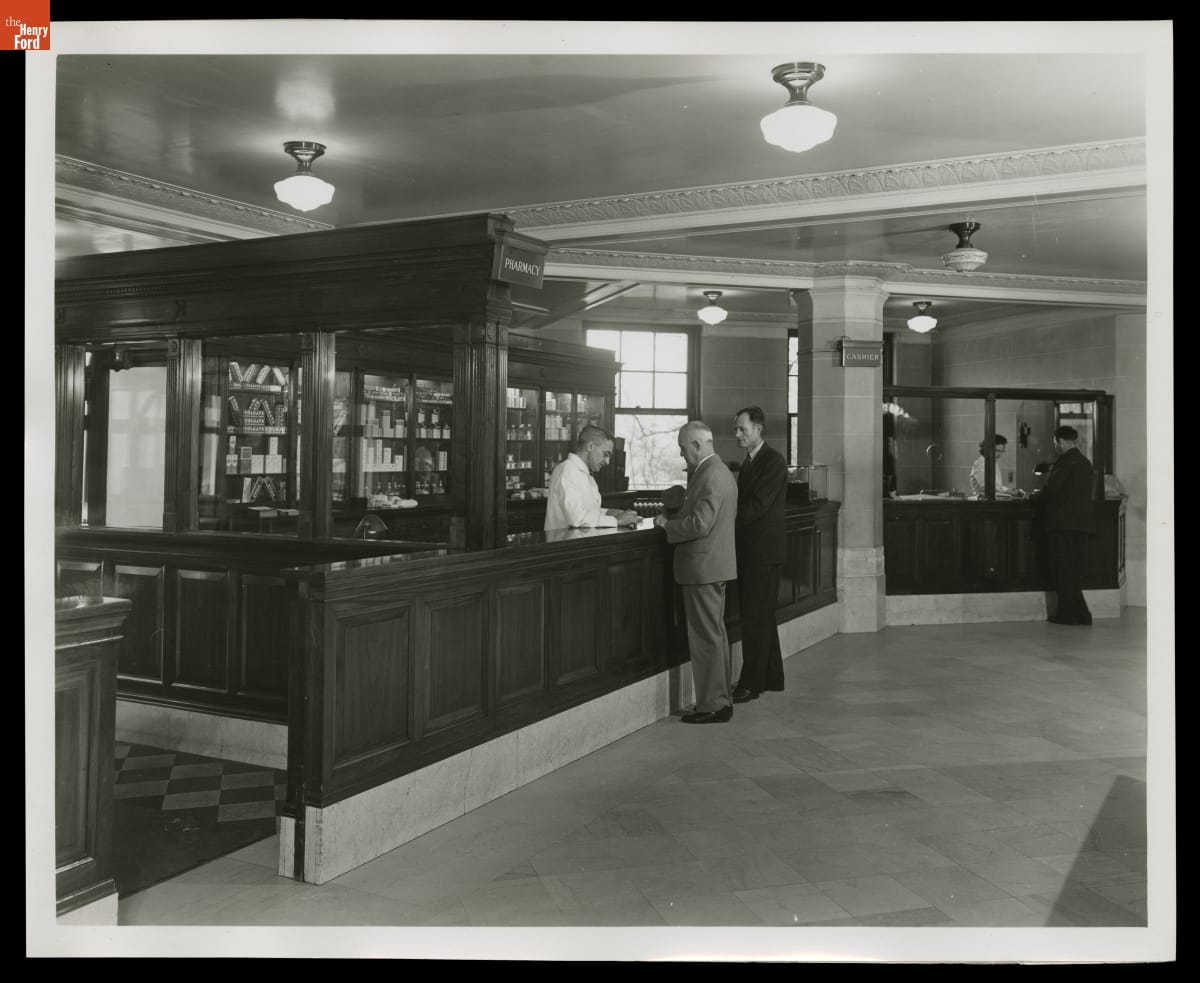
- Pharmacy Counter at Henry Ford Hospital, Detroit, Michigan, November 1946 - In 1915, Henry Ford funded a new hospital for Detroit. Designed and built in consultation with leading medical experts, Henry Ford Hospital employed salaried doctors and charged low, fixed fees to patients. By Mr. Ford's death in 1947, some 1,600 people were on the hospital's staff and more than $16.5 million had been invested in the facility.
- November 06, 1946
- Collections - Artifact
Pharmacy Counter at Henry Ford Hospital, Detroit, Michigan, November 1946
In 1915, Henry Ford funded a new hospital for Detroit. Designed and built in consultation with leading medical experts, Henry Ford Hospital employed salaried doctors and charged low, fixed fees to patients. By Mr. Ford's death in 1947, some 1,600 people were on the hospital's staff and more than $16.5 million had been invested in the facility.
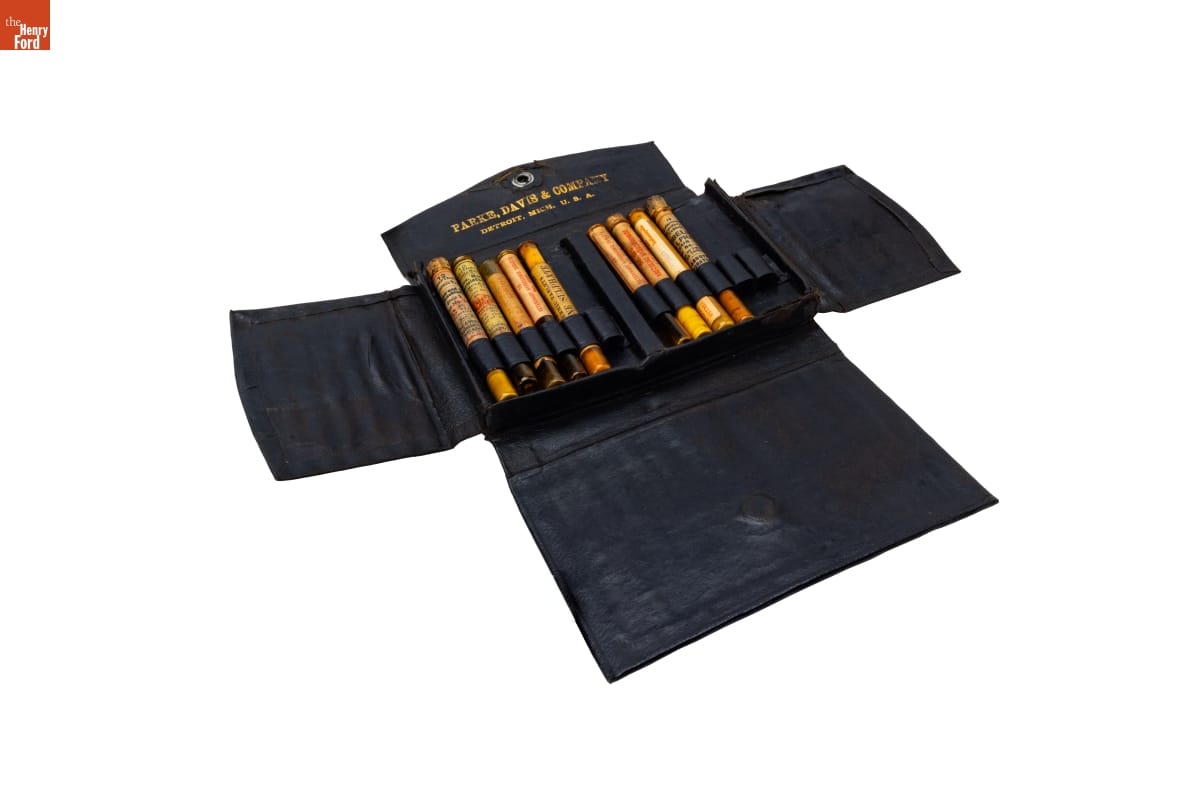
- Veterinary Pharmaceutical Kit, 1910-1920 - Veterinarians carried medicines and drugs in kits like this as they traveled to care for animals. This case, emblazoned with the name of Parke, Davis and Company, a large pharmaceutical firm that manufactured high-quality drugs, contained medicines they might need to do their work. Dr. F. Eugene Eads, who once headed the veterinary department at Parke-Davis, owned this case.
- 1910-1920
- Collections - Artifact
Veterinary Pharmaceutical Kit, 1910-1920
Veterinarians carried medicines and drugs in kits like this as they traveled to care for animals. This case, emblazoned with the name of Parke, Davis and Company, a large pharmaceutical firm that manufactured high-quality drugs, contained medicines they might need to do their work. Dr. F. Eugene Eads, who once headed the veterinary department at Parke-Davis, owned this case.
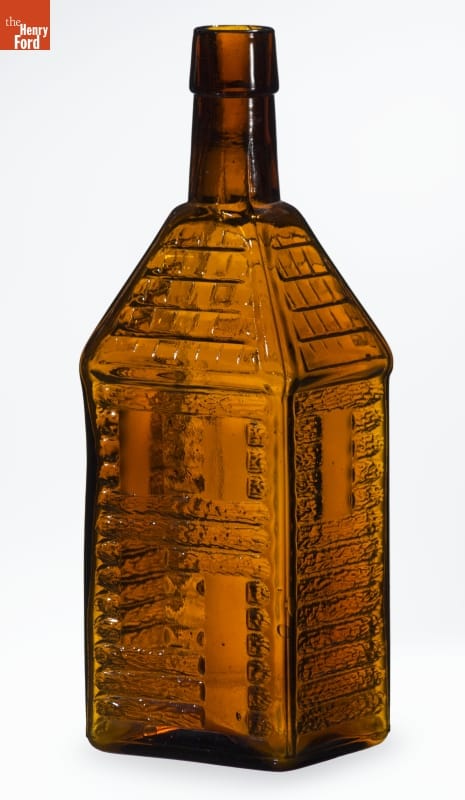
- Holtzerman's Patent Stomach Bitters, 1862-1890 - Bitters is an herb-infused alcoholic mixture. Named for its bitter taste, the liquid was originally developed as a medicinal tonic to help soothe stomach complaints or other digestive disorders. During the late 19th and early 20th centuries, patent-medicine dealers bottled and sold the elixir. Americans purchased bitters in simple mold-blown bottles or ones shaped like drums, barrels, or cabins.
- 1862-1890
- Collections - Artifact
Holtzerman's Patent Stomach Bitters, 1862-1890
Bitters is an herb-infused alcoholic mixture. Named for its bitter taste, the liquid was originally developed as a medicinal tonic to help soothe stomach complaints or other digestive disorders. During the late 19th and early 20th centuries, patent-medicine dealers bottled and sold the elixir. Americans purchased bitters in simple mold-blown bottles or ones shaped like drums, barrels, or cabins.
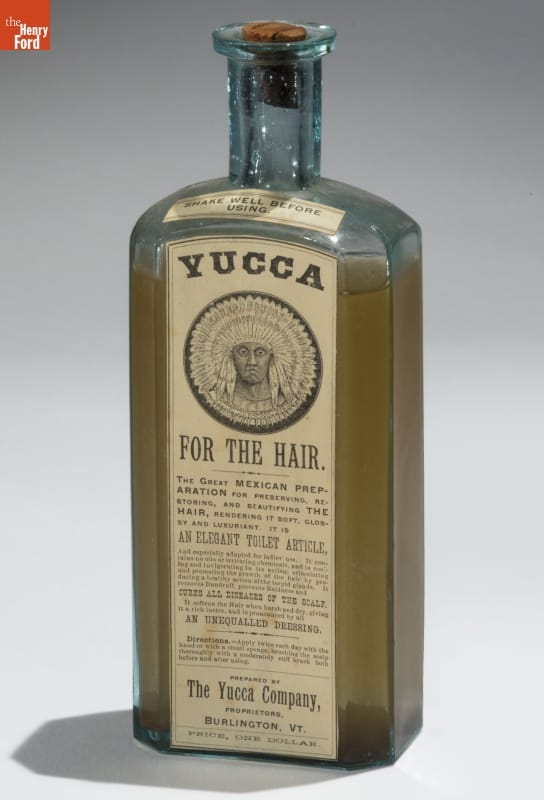
- Yucca for the Hair and Scalp, 1890-1901 - People have sought a cure for hair loss for thousands of years. In the late nineteenth-century, the makers of "Yucca for the Hair" marketed their concoction as a cure for baldness, dandruff, and other diseases of the scalp. The proprietors of this patent medicine claimed the plant-based extract invigorated the scalp, promoted hair growth and rendered hair "soft, glossy and luxuriant."
- 1890-1901
- Collections - Artifact
Yucca for the Hair and Scalp, 1890-1901
People have sought a cure for hair loss for thousands of years. In the late nineteenth-century, the makers of "Yucca for the Hair" marketed their concoction as a cure for baldness, dandruff, and other diseases of the scalp. The proprietors of this patent medicine claimed the plant-based extract invigorated the scalp, promoted hair growth and rendered hair "soft, glossy and luxuriant."
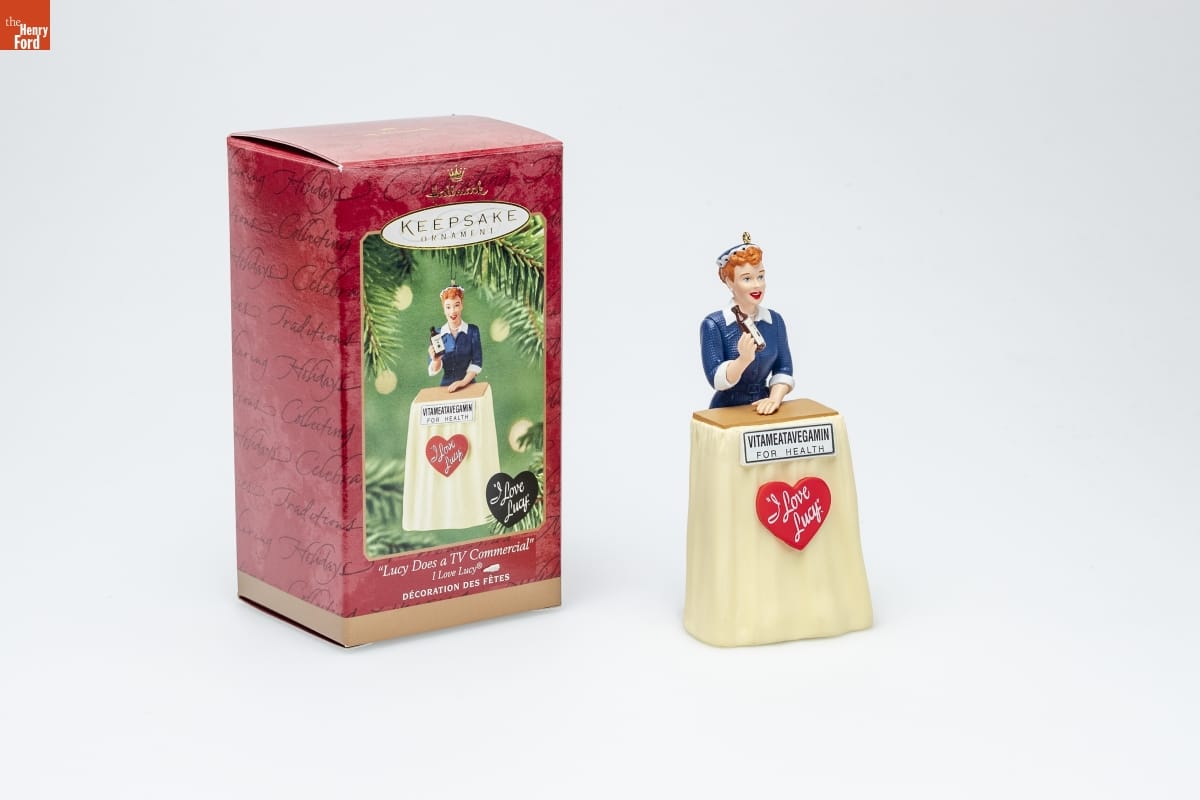
- Hallmark "I Love Lucy: Lucy Does a TV Commercial" Christmas Ornament, 2001 - Already known for greeting cards, Hallmark introduced a line of Christmas ornaments in 1973. The company's annual release of an increasing array of ornaments revolutionized Christmas decorating, appealing to customers' interest in marking memories and milestones as well as expressing one's personality and unique tastes.
- 2001
- Collections - Artifact
Hallmark "I Love Lucy: Lucy Does a TV Commercial" Christmas Ornament, 2001
Already known for greeting cards, Hallmark introduced a line of Christmas ornaments in 1973. The company's annual release of an increasing array of ornaments revolutionized Christmas decorating, appealing to customers' interest in marking memories and milestones as well as expressing one's personality and unique tastes.
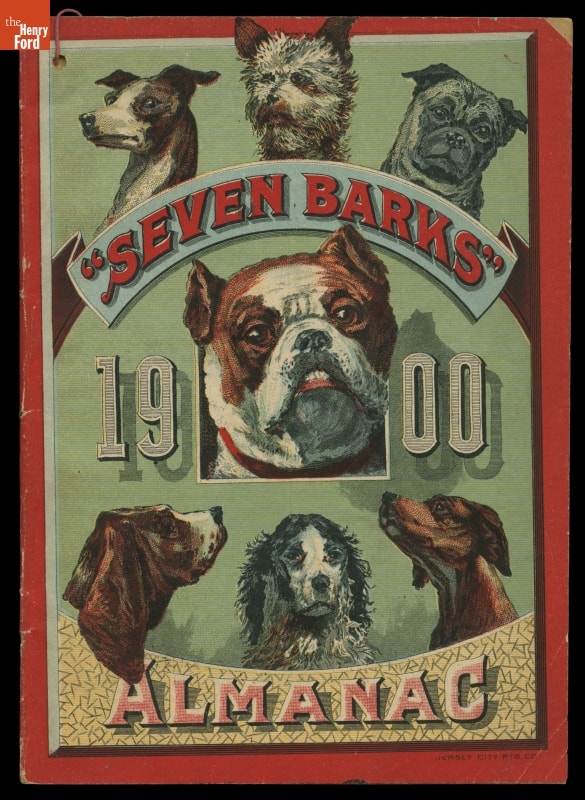
- Lyman Brown's Seven Barks Almanac, 1900 - Almanacs contained practical information about the coming year. Readers normally found a calendar, weather predictions, tide schedules, and information related to astronomical events, agriculture, health, politics and other matters. Interspersed were jokes and witty sayings. In the late 1800s, drug and patent medicine companies published almanacs with colorfully illustrated covers to entice the public to buy their products.
- 1900
- Collections - Artifact
Lyman Brown's Seven Barks Almanac, 1900
Almanacs contained practical information about the coming year. Readers normally found a calendar, weather predictions, tide schedules, and information related to astronomical events, agriculture, health, politics and other matters. Interspersed were jokes and witty sayings. In the late 1800s, drug and patent medicine companies published almanacs with colorfully illustrated covers to entice the public to buy their products.