
Search
- "Popular Science," March 1949 -
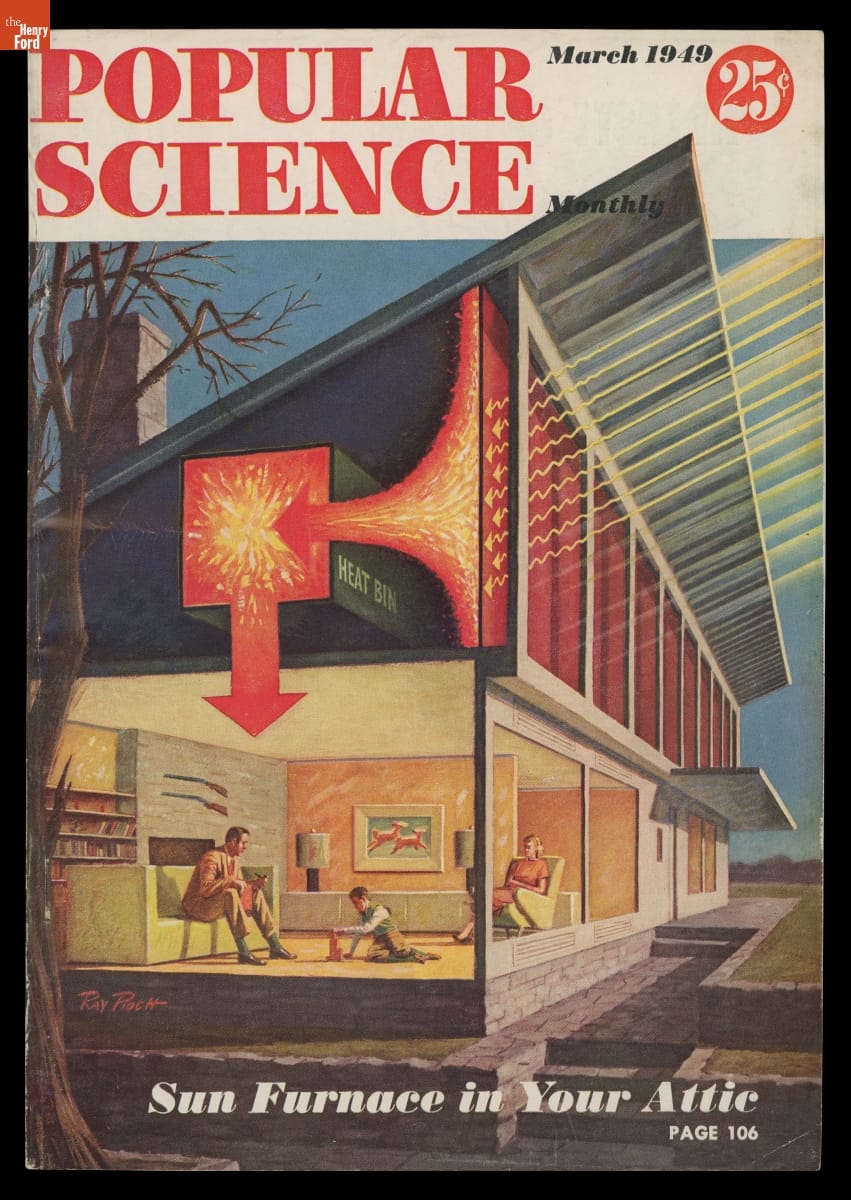
- March 01, 1949
- Collections - Artifact
"Popular Science," March 1949
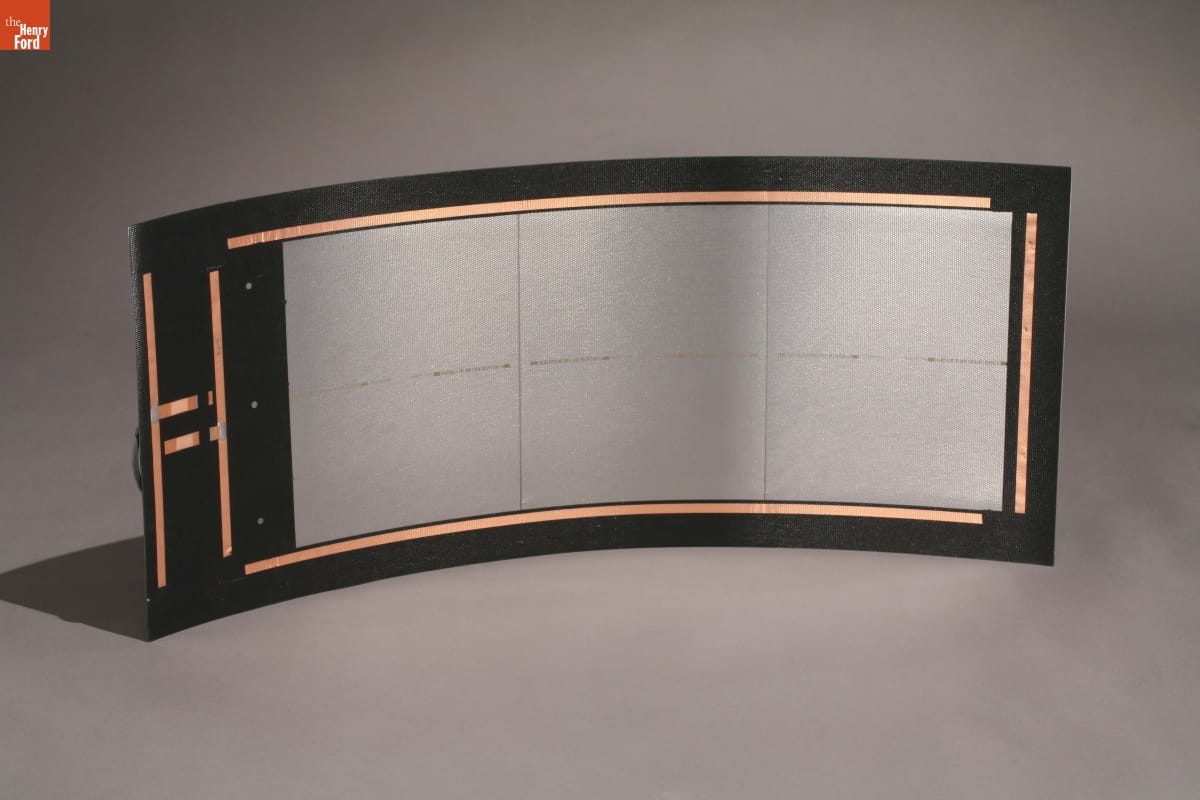
- Solar Cell, 2009 -
- 2009
- Collections - Artifact
Solar Cell, 2009
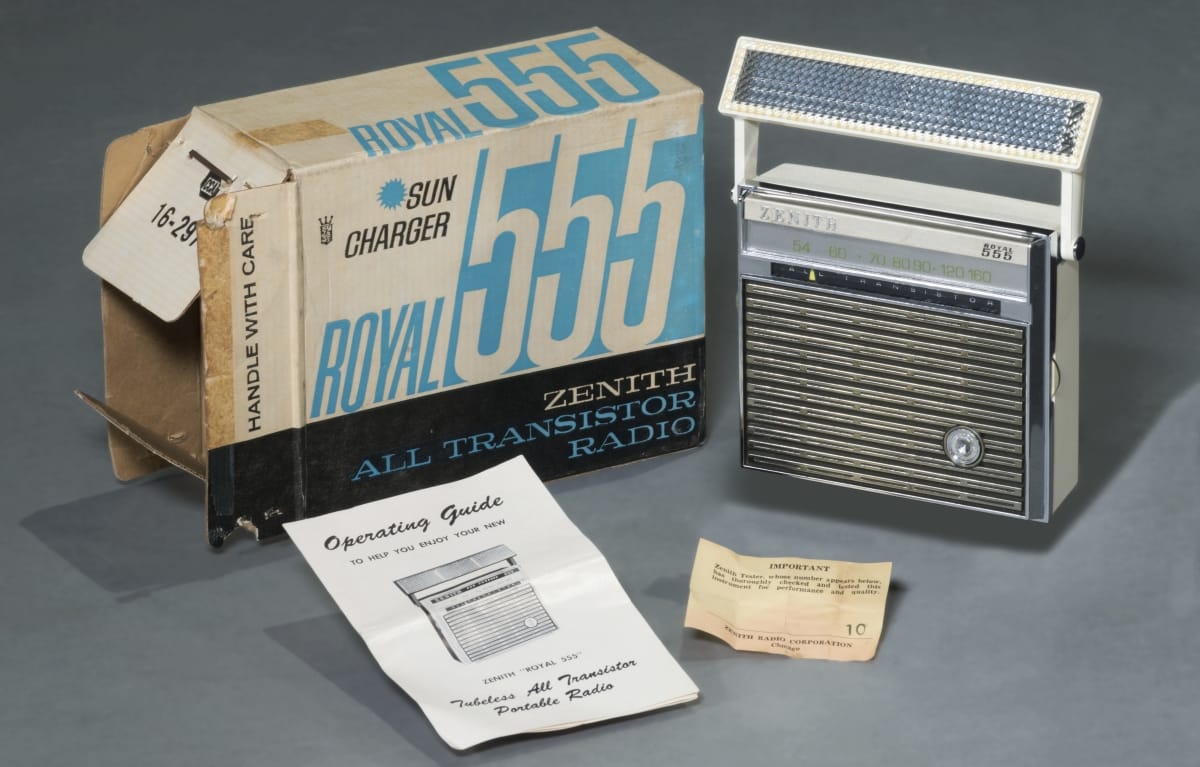
- Zenith Royal 555 Sun Charger Transistor Radio, 1965 - This radio was made portable thanks to the miniaturizing effect of transistors. The forward-thinking design of the Sun Charger radio also used rechargeable NiCad batteries, which drew their power from solar energy filtered through its "miracle sunray handle." Zenith was a key client of Mel Boldt and Associates, designers of this device.
- 1965
- Collections - Artifact
Zenith Royal 555 Sun Charger Transistor Radio, 1965
This radio was made portable thanks to the miniaturizing effect of transistors. The forward-thinking design of the Sun Charger radio also used rechargeable NiCad batteries, which drew their power from solar energy filtered through its "miracle sunray handle." Zenith was a key client of Mel Boldt and Associates, designers of this device.
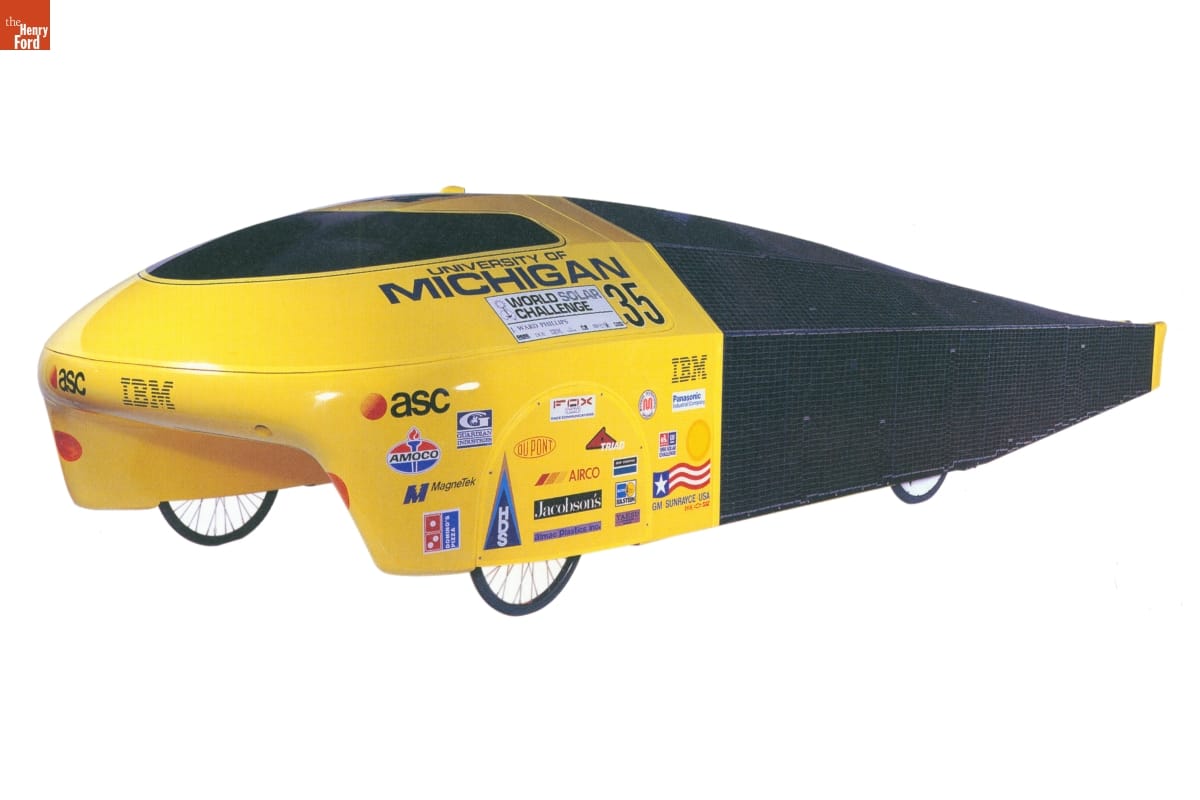
- 1990 Sunrunner Solar Car - Students from the University of Michigan built this solar-powered vehicle and won the General Motors Sunrayce -- a 1,640-mile race from Florida to Michigan -- in July 1990. As the top finisher, the Sunrunner earned a trip to Australia to compete in the 1990 World Solar Challenge where it finished in third place.
- 1990
- Collections - Artifact
1990 Sunrunner Solar Car
Students from the University of Michigan built this solar-powered vehicle and won the General Motors Sunrayce -- a 1,640-mile race from Florida to Michigan -- in July 1990. As the top finisher, the Sunrunner earned a trip to Australia to compete in the 1990 World Solar Challenge where it finished in third place.
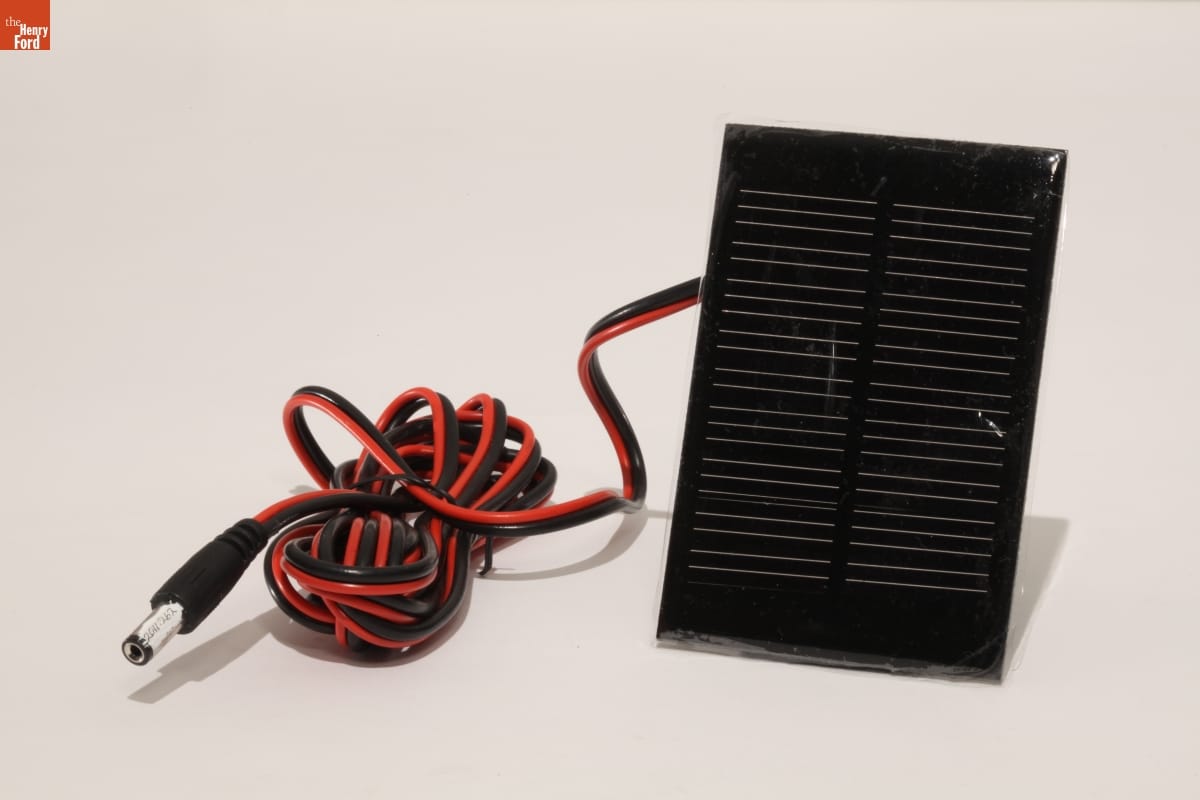
- Solar Cell, 2011 - Today, Americans are looking for alternative power sources. Turning sunlight into electricity is one option. This solar cell provides energy for small projects. But can the sun power our vehicles?
- 2011
- Collections - Artifact
Solar Cell, 2011
Today, Americans are looking for alternative power sources. Turning sunlight into electricity is one option. This solar cell provides energy for small projects. But can the sun power our vehicles?
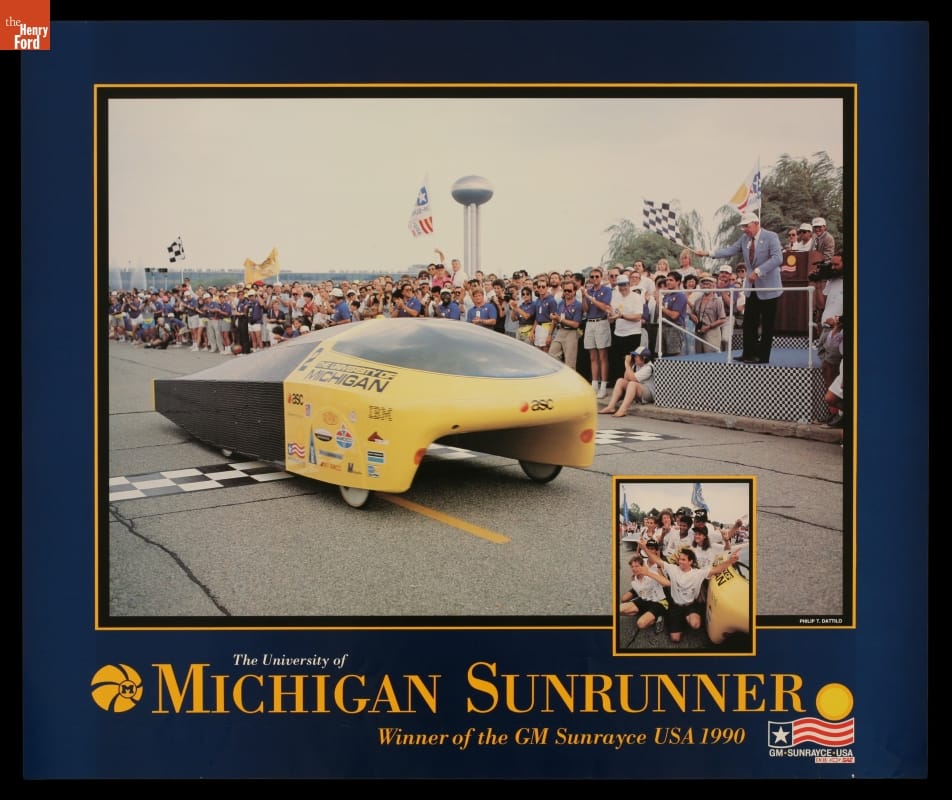
- Poster, "University of Michigan Sunrunner, Winner of the GM Sunrayce USA 1990" - The University of Michigan's Solar Car Team won the first General Motors Sunrayce in 1990. The team's Sunrunner car raced some 1,640 miles from Orlando, Florida, to Warren, Michigan, powered only by solar energy. The car averaged about 22.5 miles per hour on its run. The team advanced to the World Solar Challenge in Australia, where it finished third overall.
- 1990
- Collections - Artifact
Poster, "University of Michigan Sunrunner, Winner of the GM Sunrayce USA 1990"
The University of Michigan's Solar Car Team won the first General Motors Sunrayce in 1990. The team's Sunrunner car raced some 1,640 miles from Orlando, Florida, to Warren, Michigan, powered only by solar energy. The car averaged about 22.5 miles per hour on its run. The team advanced to the World Solar Challenge in Australia, where it finished third overall.
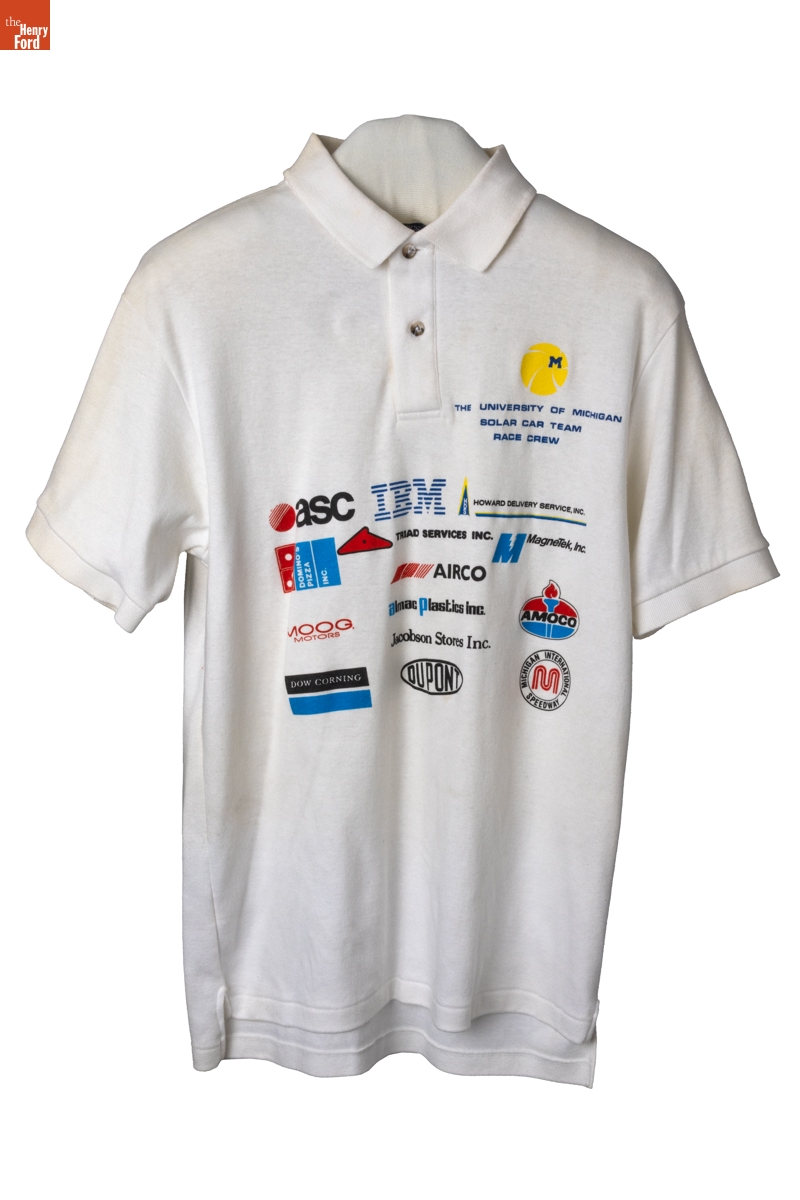
- University of Michigan Solar Car Team Race Crew Polo Shirt, 1990 - The University of Michigan's Solar Car Team won the first General Motors Sunrayce in 1990. Its Sunrunner car raced some 1,640 miles from Orlando, Florida, to Warren, Michigan, powered only by solar energy. The car averaged about 22.5 miles per hour on its run. This shirt belonged to University of Michigan student and team member Matt Brown.
- 1990
- Collections - Artifact
University of Michigan Solar Car Team Race Crew Polo Shirt, 1990
The University of Michigan's Solar Car Team won the first General Motors Sunrayce in 1990. Its Sunrunner car raced some 1,640 miles from Orlando, Florida, to Warren, Michigan, powered only by solar energy. The car averaged about 22.5 miles per hour on its run. This shirt belonged to University of Michigan student and team member Matt Brown.
- GM Sunrayce First Place Medal, 1990 - The University of Michigan's Solar Car Team won the first General Motors Sunrayce in 1990. Its Sunrunner car raced some 1,640 miles from Orlando, Florida, to Warren, Michigan, powered only by solar energy. Team members received first-place medals, like this one awarded to student Matt Brown. The team advanced to the World Solar Challenge in Australia, where it finished third overall.

- July 01, 1990
- Collections - Artifact
GM Sunrayce First Place Medal, 1990
The University of Michigan's Solar Car Team won the first General Motors Sunrayce in 1990. Its Sunrunner car raced some 1,640 miles from Orlando, Florida, to Warren, Michigan, powered only by solar energy. Team members received first-place medals, like this one awarded to student Matt Brown. The team advanced to the World Solar Challenge in Australia, where it finished third overall.
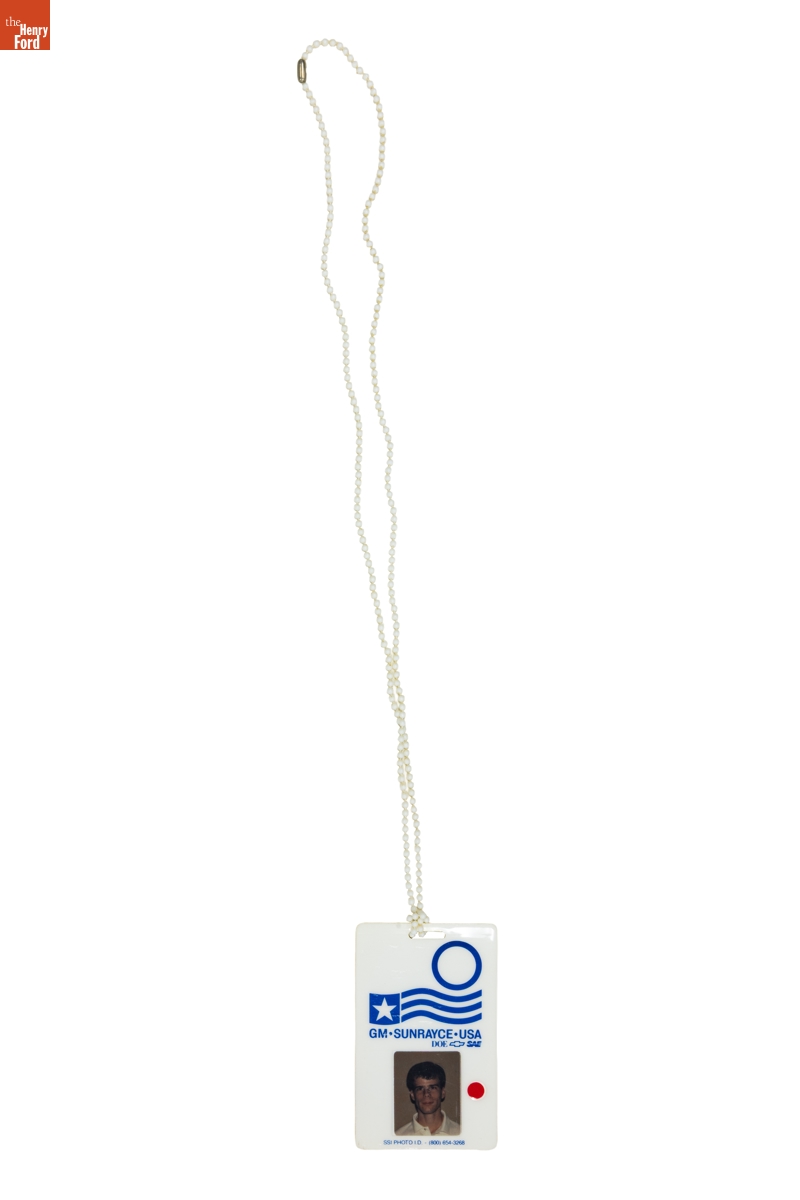
- "GM Sunrayce USA" Badge, 1990 - The University of Michigan's Solar Car Team won the first General Motors Sunrayce in 1990. Its Sunrunner car raced some 1,640 miles from Orlando, Florida, to Warren, Michigan, powered only by solar energy. The car averaged about 22.5 miles per hour on its run. This Sunrayce identification badge belonged to University of Michigan student and team member Matt Brown.
- 1990
- Collections - Artifact
"GM Sunrayce USA" Badge, 1990
The University of Michigan's Solar Car Team won the first General Motors Sunrayce in 1990. Its Sunrunner car raced some 1,640 miles from Orlando, Florida, to Warren, Michigan, powered only by solar energy. The car averaged about 22.5 miles per hour on its run. This Sunrayce identification badge belonged to University of Michigan student and team member Matt Brown.
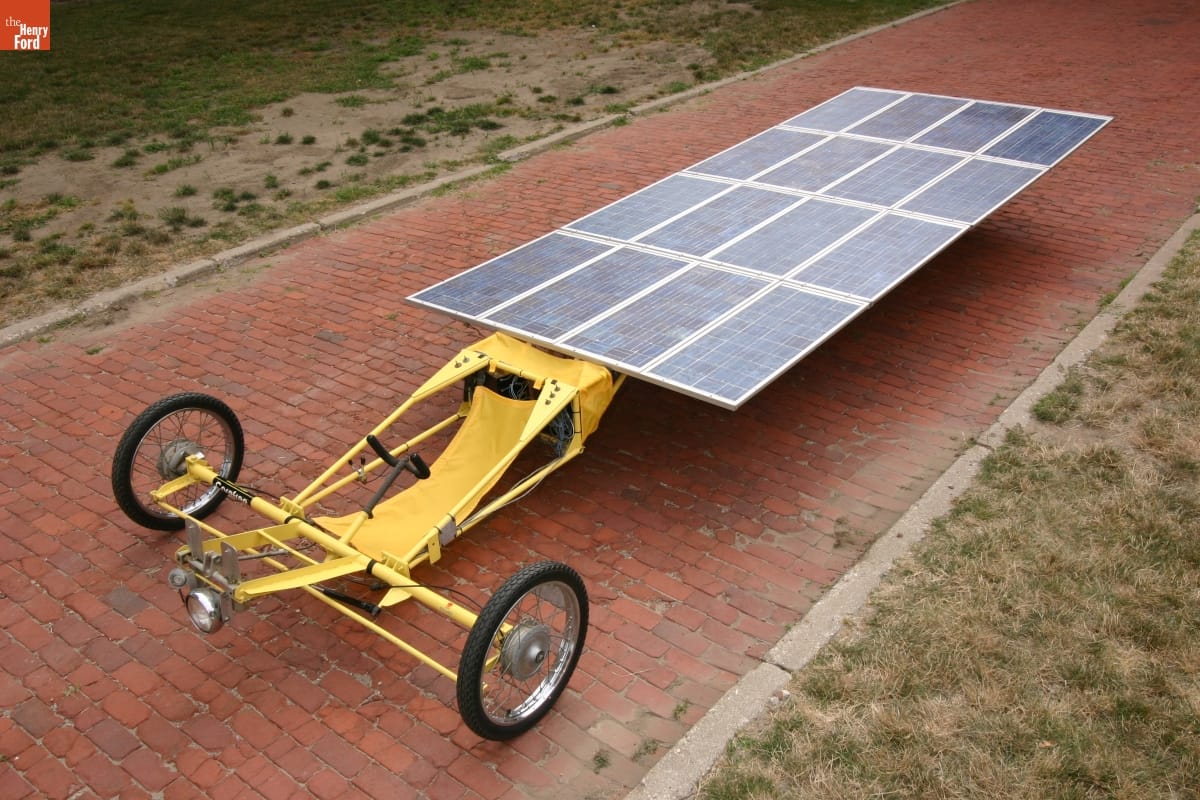
- 1984 Solar-Powered Car "Phoenix" - This car, the first solar-powered vehicle to cross the United States, was built and driven by students at a small college in Missouri. The Crowder College team developed the car for 1984's Trans-American Solar Auto Run. With a top speed of about 20 mph, their journey from San Diego, California, to Jacksonville, Florida, took 45 days.
- 1984
- Collections - Artifact
1984 Solar-Powered Car "Phoenix"
This car, the first solar-powered vehicle to cross the United States, was built and driven by students at a small college in Missouri. The Crowder College team developed the car for 1984's Trans-American Solar Auto Run. With a top speed of about 20 mph, their journey from San Diego, California, to Jacksonville, Florida, took 45 days.