
Search
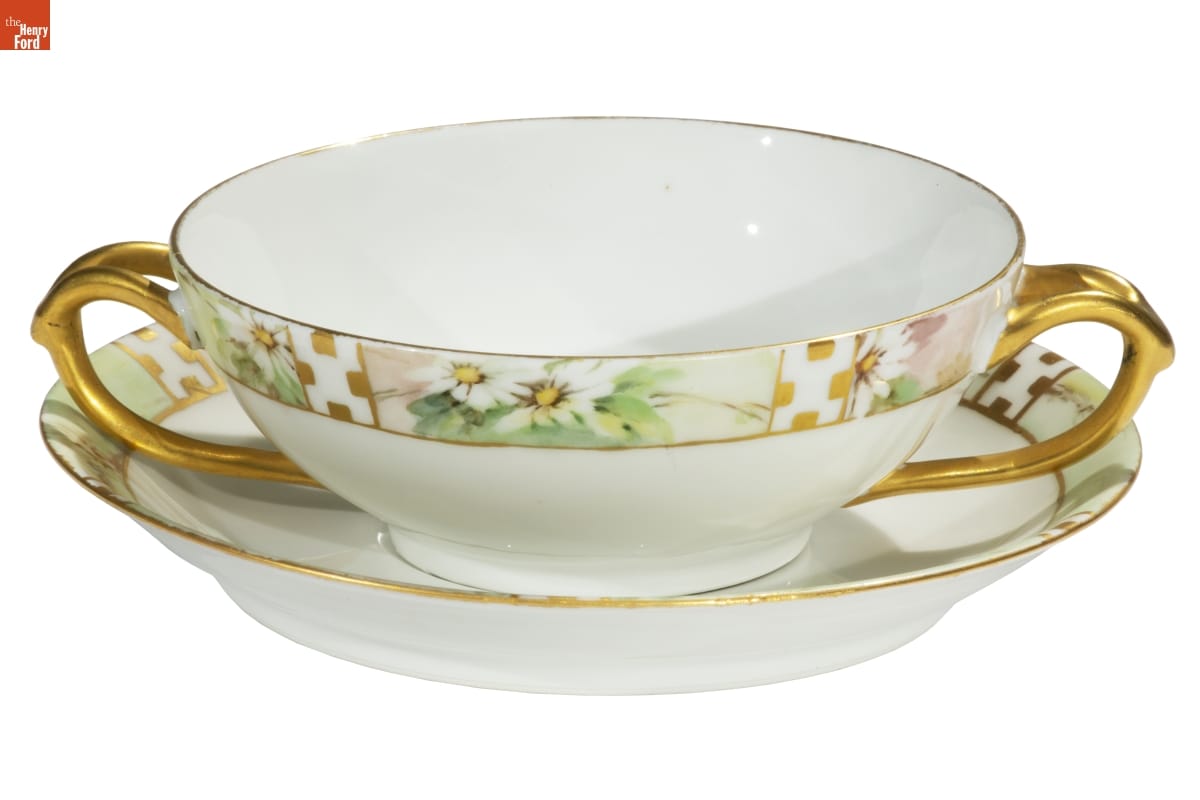
- China Soup Bowl and Saucer Set, Painted by L. Vance between 1911 and 1912 - China painting was an important pastime for many American women. They painted over the glaze of fired, undecorated pieces of white porcelain called "blanks." In preparation for her 1912 wedding to Leon Gardner, recent college graduate Helen Marie Eichele purchased and decorated a set of blank china. Friends helped paint some of the pieces, including this soup bowl and saucer set.
- 1911-1912
- Collections - Artifact
China Soup Bowl and Saucer Set, Painted by L. Vance between 1911 and 1912
China painting was an important pastime for many American women. They painted over the glaze of fired, undecorated pieces of white porcelain called "blanks." In preparation for her 1912 wedding to Leon Gardner, recent college graduate Helen Marie Eichele purchased and decorated a set of blank china. Friends helped paint some of the pieces, including this soup bowl and saucer set.
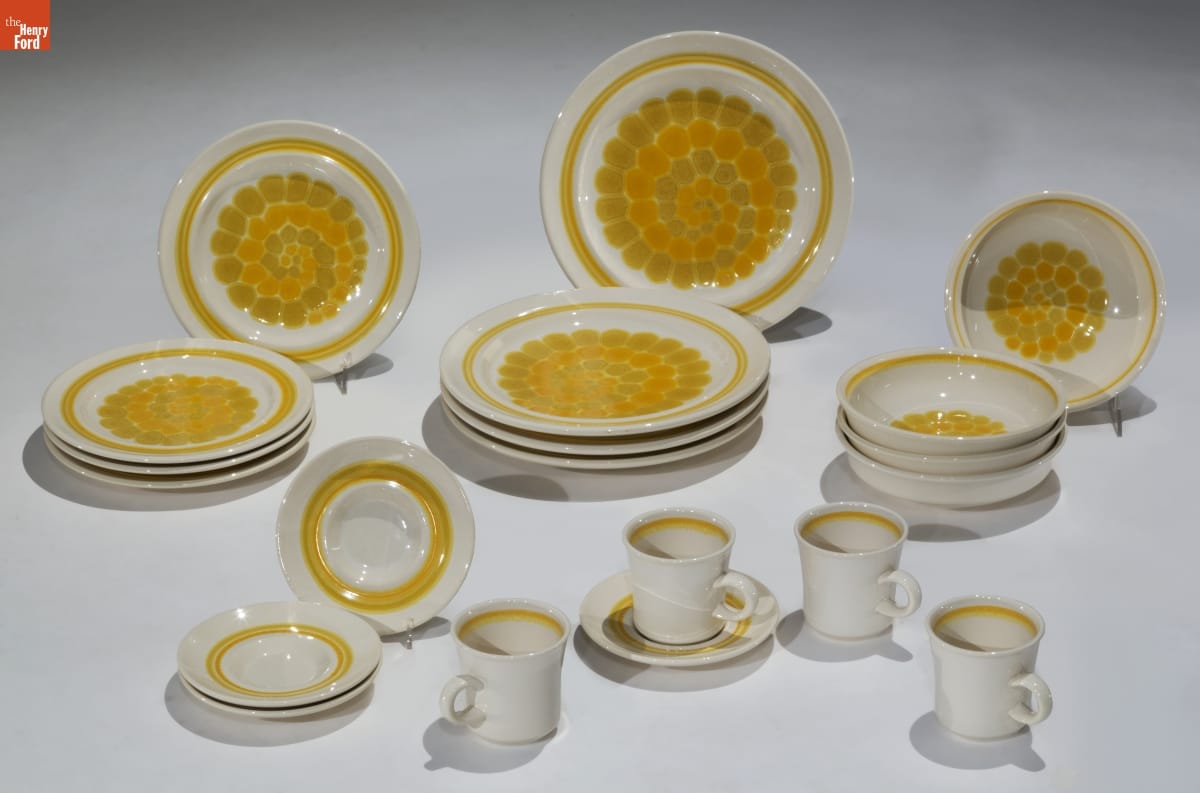
- Franciscan China Dinnerware Service for Four, "Sundance" Pattern, 1972-1977 -
- 1972-1977
- Collections - Artifact
Franciscan China Dinnerware Service for Four, "Sundance" Pattern, 1972-1977
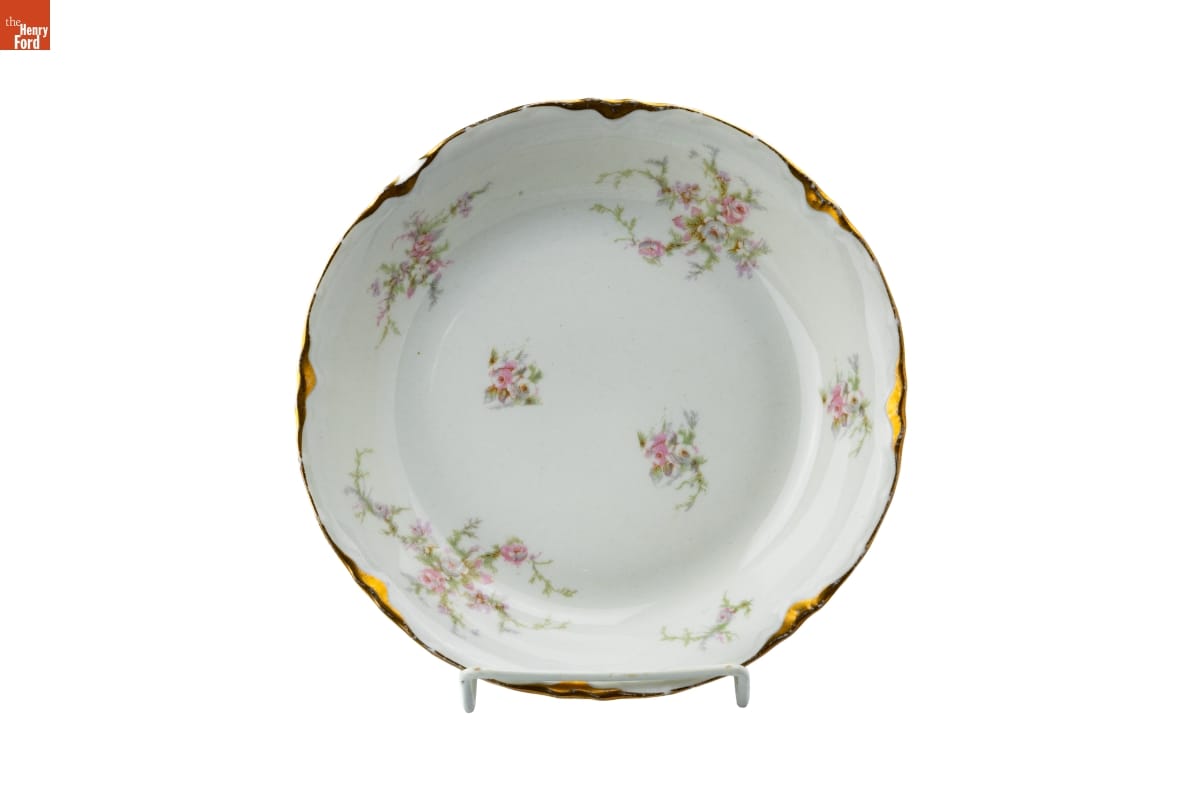
- Soup Bowl Used by the Jackson Family, Selma, Alabama -
- 1941-1951
- Collections - Artifact
Soup Bowl Used by the Jackson Family, Selma, Alabama
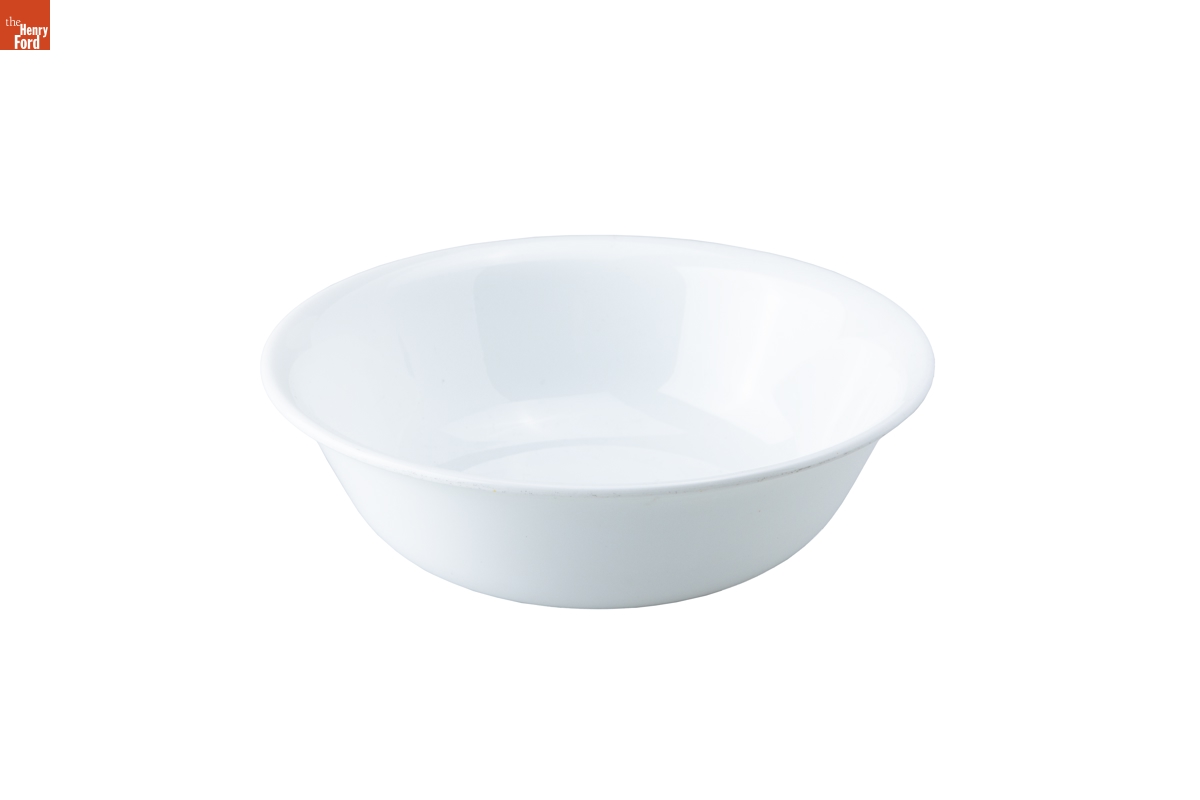
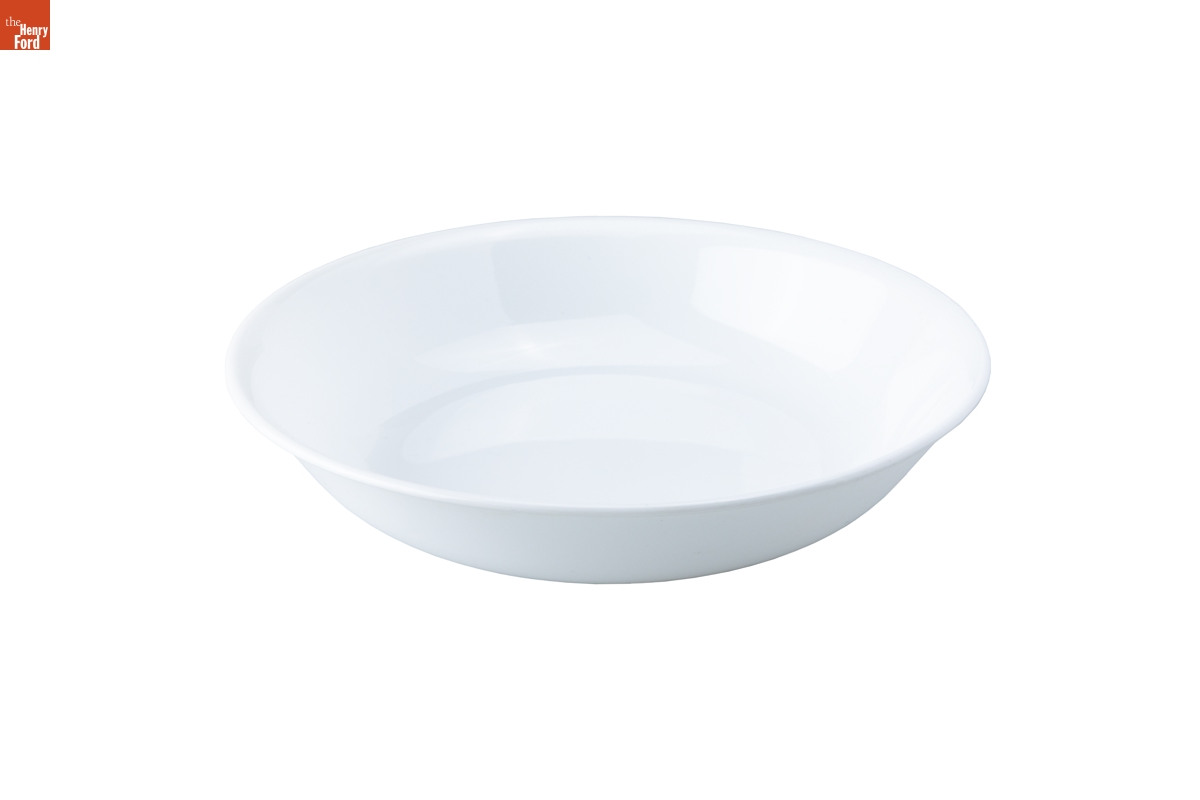
- Soup Bowl Used by the Jackson Family, Selma, Alabama - A Corning Glass Works scientist discovered a laminating technique that produced a very thin yet very strong glass in 1965. From this discovery, Corning developed a lightweight, break-resistant dinnerware called Corelle. Introduced in 1970, Corelle was offered in a selection of fashionable patterns, and the company compared the durable, inexpensive dinnerware to fine china. It was a hit and remains a household name.
- Collections - Artifact
Soup Bowl Used by the Jackson Family, Selma, Alabama
A Corning Glass Works scientist discovered a laminating technique that produced a very thin yet very strong glass in 1965. From this discovery, Corning developed a lightweight, break-resistant dinnerware called Corelle. Introduced in 1970, Corelle was offered in a selection of fashionable patterns, and the company compared the durable, inexpensive dinnerware to fine china. It was a hit and remains a household name.
- Soup Bowl Used by the Jackson Family, Selma, Alabama - A Corning Glass Works scientist discovered a laminating technique that produced a very thin yet very strong glass in 1965. From this discovery, Corning developed a lightweight, break-resistant dinnerware called Corelle. Introduced in 1970, Corelle was offered in a selection of fashionable patterns, and the company compared the durable, inexpensive dinnerware to fine china. It was a hit and remains a household name.
- Collections - Artifact
Soup Bowl Used by the Jackson Family, Selma, Alabama
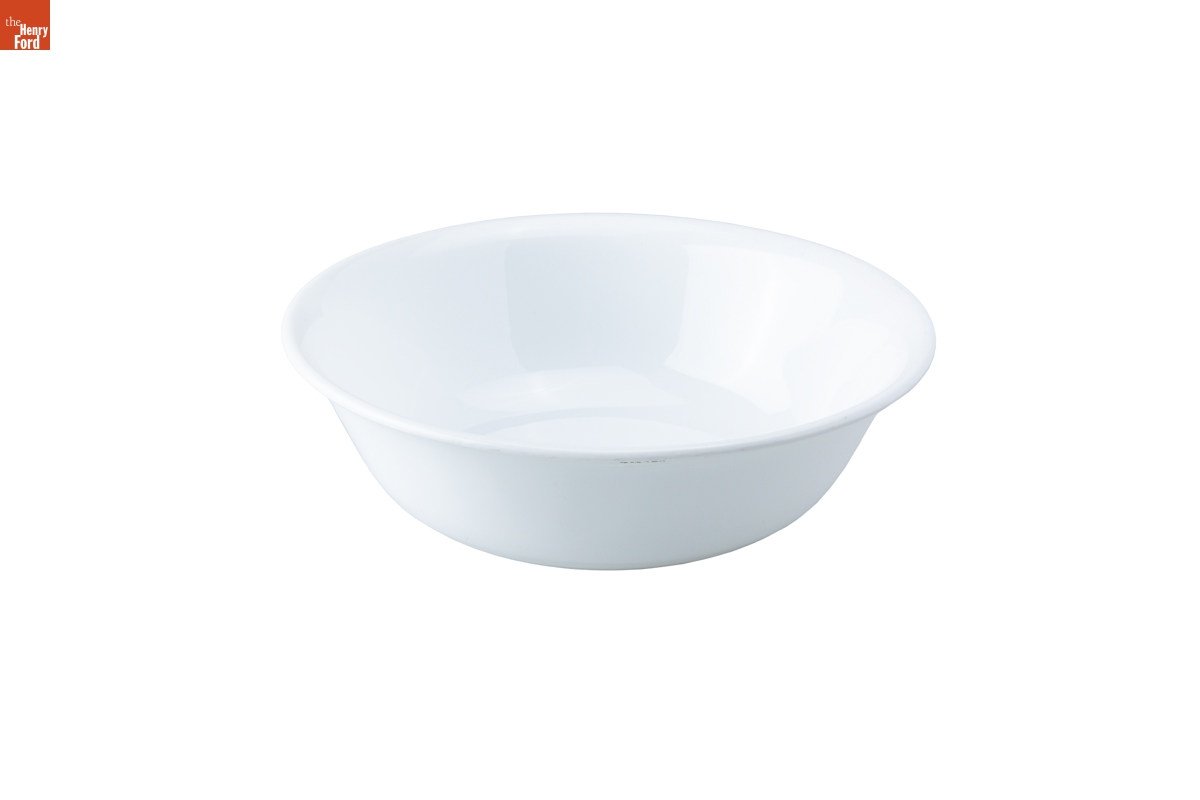
A Corning Glass Works scientist discovered a laminating technique that produced a very thin yet very strong glass in 1965. From this discovery, Corning developed a lightweight, break-resistant dinnerware called Corelle. Introduced in 1970, Corelle was offered in a selection of fashionable patterns, and the company compared the durable, inexpensive dinnerware to fine china. It was a hit and remains a household name.
- Soup Bowl Used by the Jackson Family, Selma, Alabama - A Corning Glass Works scientist discovered a laminating technique that produced a very thin yet very strong glass in 1965. From this discovery, Corning developed a lightweight, break-resistant dinnerware called Corelle. Introduced in 1970, Corelle was offered in a selection of fashionable patterns, and the company compared the durable, inexpensive dinnerware to fine china. It was a hit and remains a household name.
- Collections - Artifact
Soup Bowl Used by the Jackson Family, Selma, Alabama
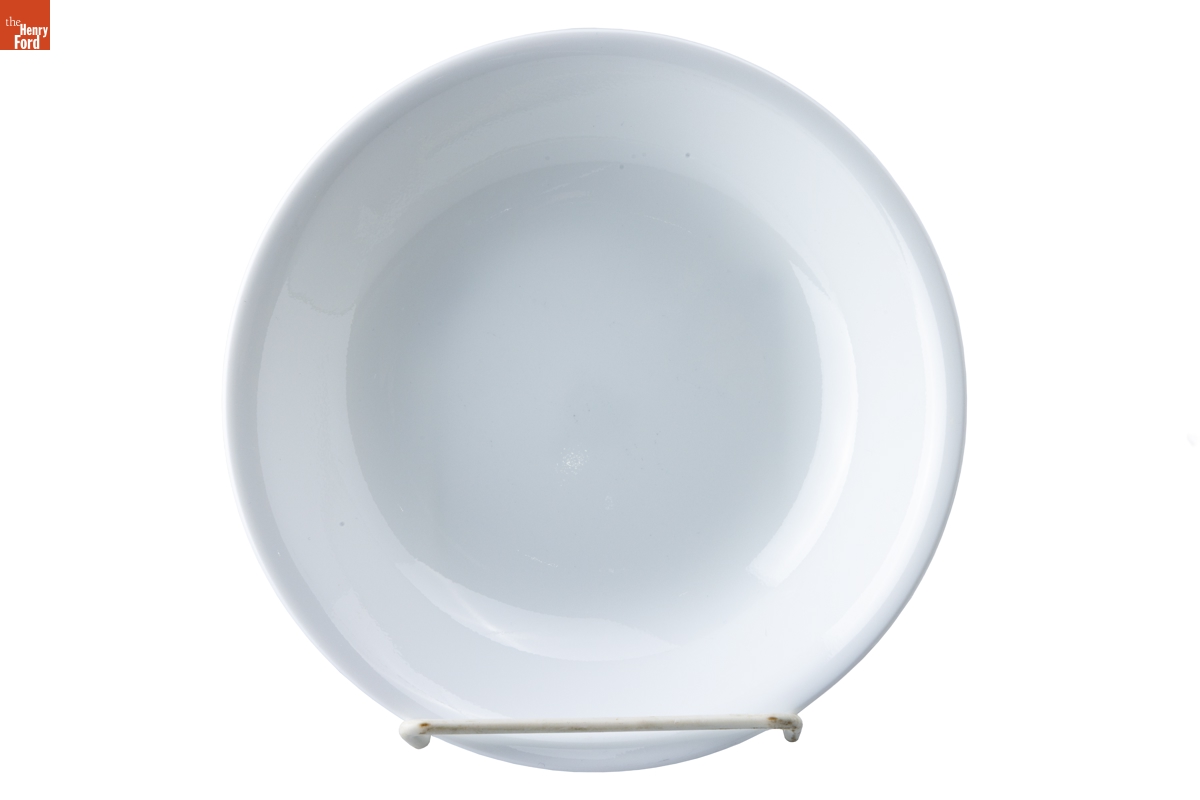
A Corning Glass Works scientist discovered a laminating technique that produced a very thin yet very strong glass in 1965. From this discovery, Corning developed a lightweight, break-resistant dinnerware called Corelle. Introduced in 1970, Corelle was offered in a selection of fashionable patterns, and the company compared the durable, inexpensive dinnerware to fine china. It was a hit and remains a household name.
- Soup Bowl Used by the Jackson Family, Selma, Alabama - A Corning Glass Works scientist discovered a laminating technique that produced a very thin yet very strong glass in 1965. From this discovery, Corning developed a lightweight, break-resistant dinnerware called Corelle. Introduced in 1970, Corelle was offered in a selection of fashionable patterns, and the company compared the durable, inexpensive dinnerware to fine china. It was a hit and remains a household name.
- Collections - Artifact
Soup Bowl Used by the Jackson Family, Selma, Alabama
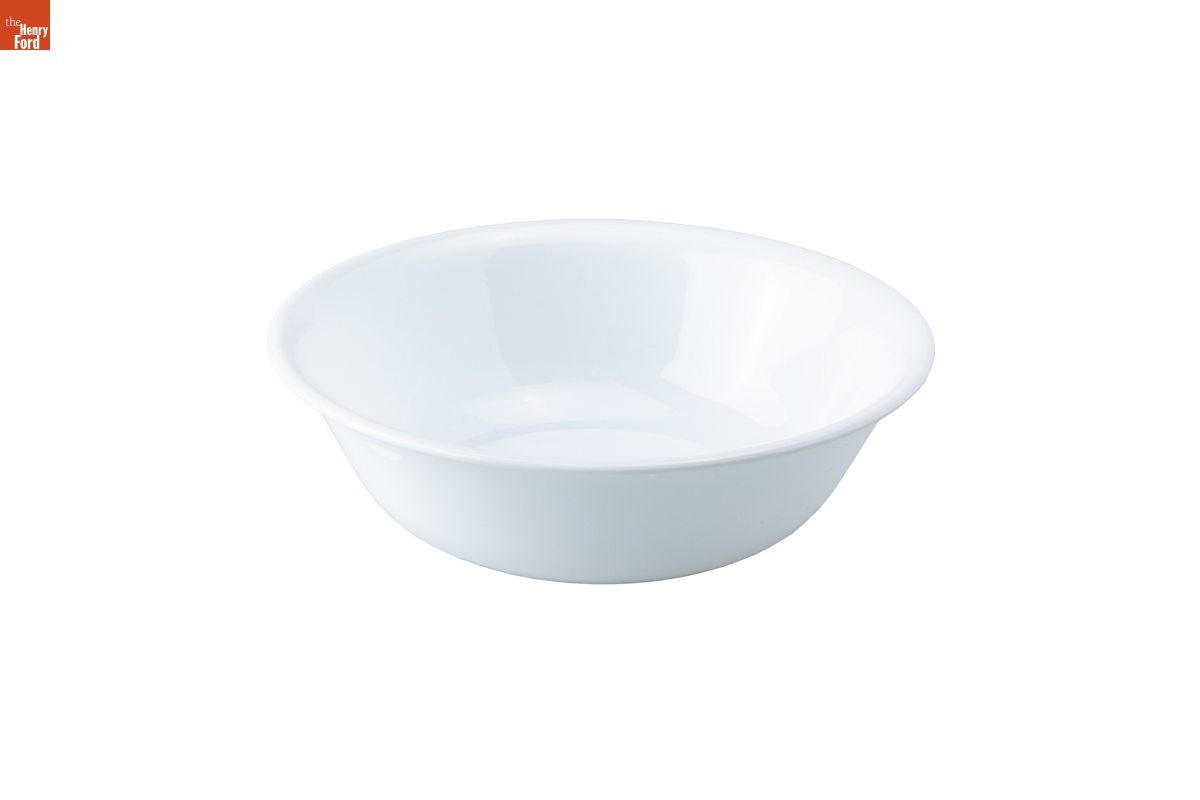
A Corning Glass Works scientist discovered a laminating technique that produced a very thin yet very strong glass in 1965. From this discovery, Corning developed a lightweight, break-resistant dinnerware called Corelle. Introduced in 1970, Corelle was offered in a selection of fashionable patterns, and the company compared the durable, inexpensive dinnerware to fine china. It was a hit and remains a household name.
- Soup Bowl Used by the Jackson Family, Selma, Alabama - A Corning Glass Works scientist discovered a laminating technique that produced a very thin yet very strong glass in 1965. From this discovery, Corning developed a lightweight, break-resistant dinnerware called Corelle. Introduced in 1970, Corelle was offered in a selection of fashionable patterns, and the company compared the durable, inexpensive dinnerware to fine china. It was a hit and remains a household name.
- Collections - Artifact
Soup Bowl Used by the Jackson Family, Selma, Alabama
A Corning Glass Works scientist discovered a laminating technique that produced a very thin yet very strong glass in 1965. From this discovery, Corning developed a lightweight, break-resistant dinnerware called Corelle. Introduced in 1970, Corelle was offered in a selection of fashionable patterns, and the company compared the durable, inexpensive dinnerware to fine china. It was a hit and remains a household name.
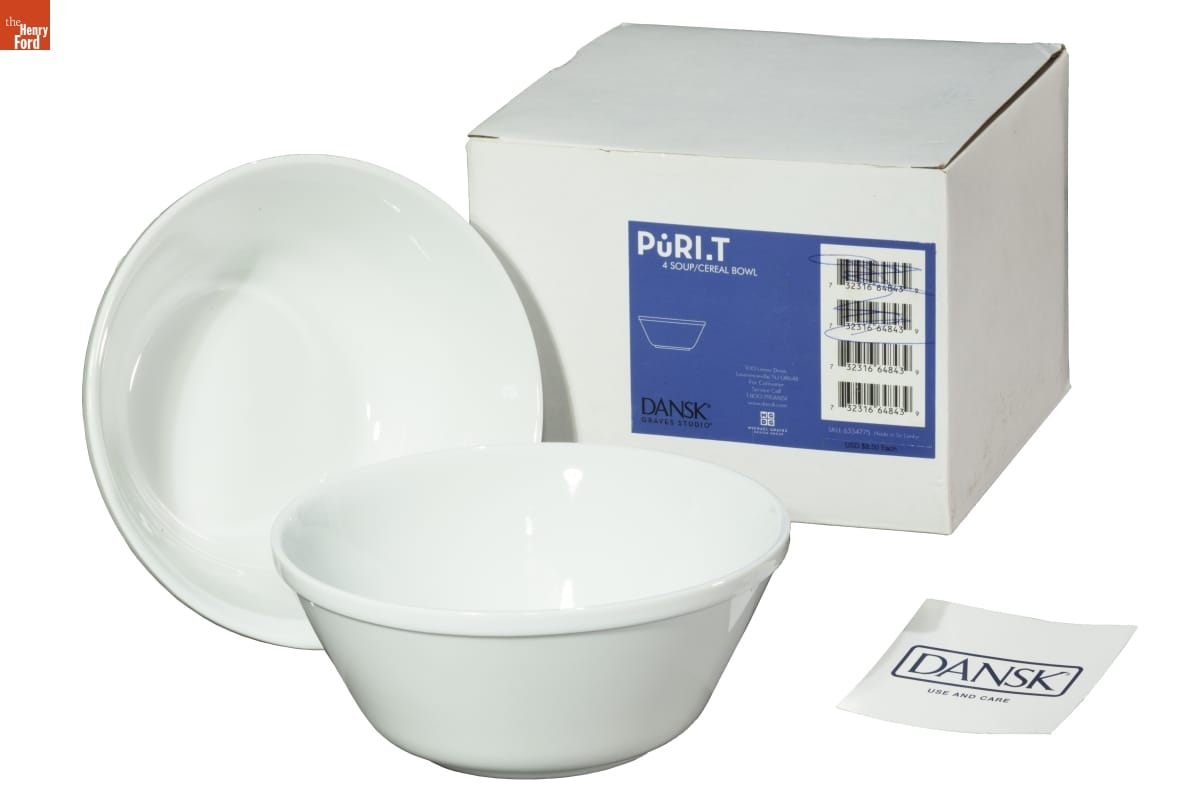
- "PuRI.T" Soup or Cereal Bowls, 2005 - Starting in the early 1980s--and already established as an internationally recognized architect--Michael Graves began to pursue a parallel career as a product designer. Over the following three and a half decades he and his collaborators designed everything from humble household goods to limited edition luxury items for clients as diverse as Steuben, Alessi, Target, J. C. Penney, and Disney.
- 2005
- Collections - Artifact
"PuRI.T" Soup or Cereal Bowls, 2005
Starting in the early 1980s--and already established as an internationally recognized architect--Michael Graves began to pursue a parallel career as a product designer. Over the following three and a half decades he and his collaborators designed everything from humble household goods to limited edition luxury items for clients as diverse as Steuben, Alessi, Target, J. C. Penney, and Disney.
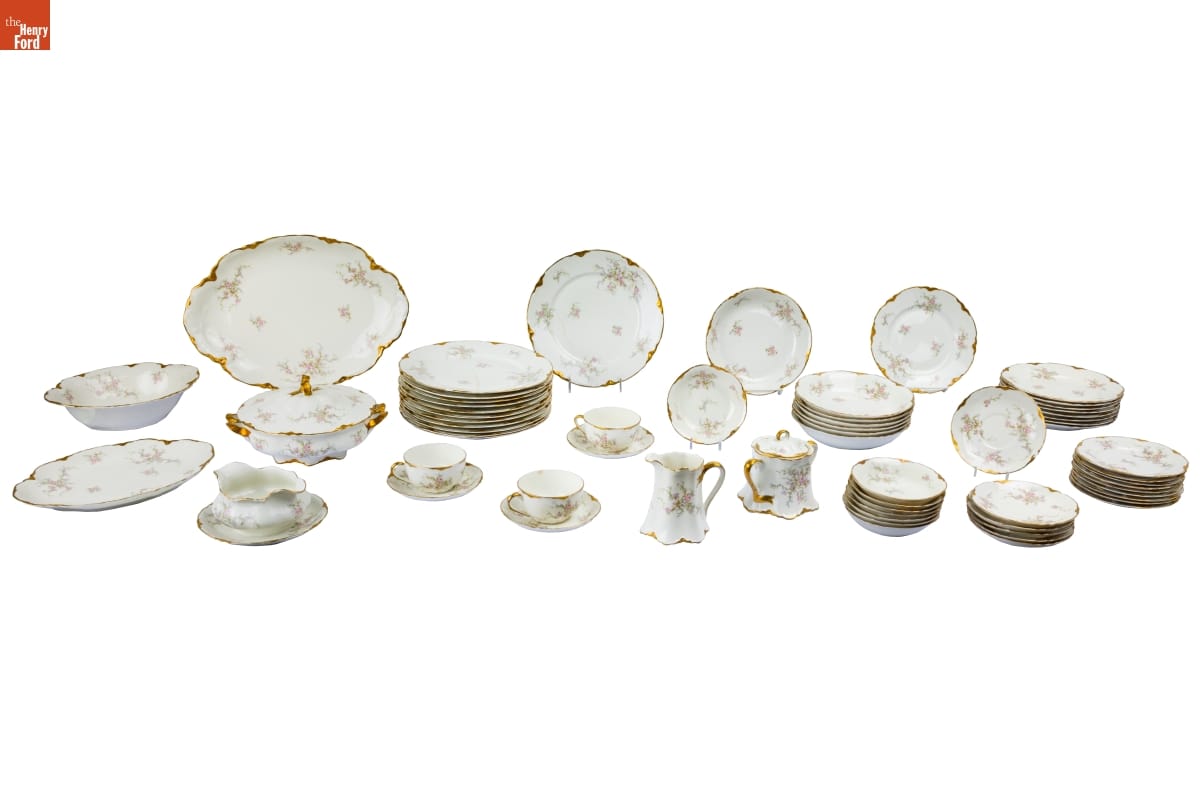
- Set of China Used by the Jackson Family, Selma, Alabama -
- 1941-1951
- Collections - Artifact
Set of China Used by the Jackson Family, Selma, Alabama